 Osaka City Guide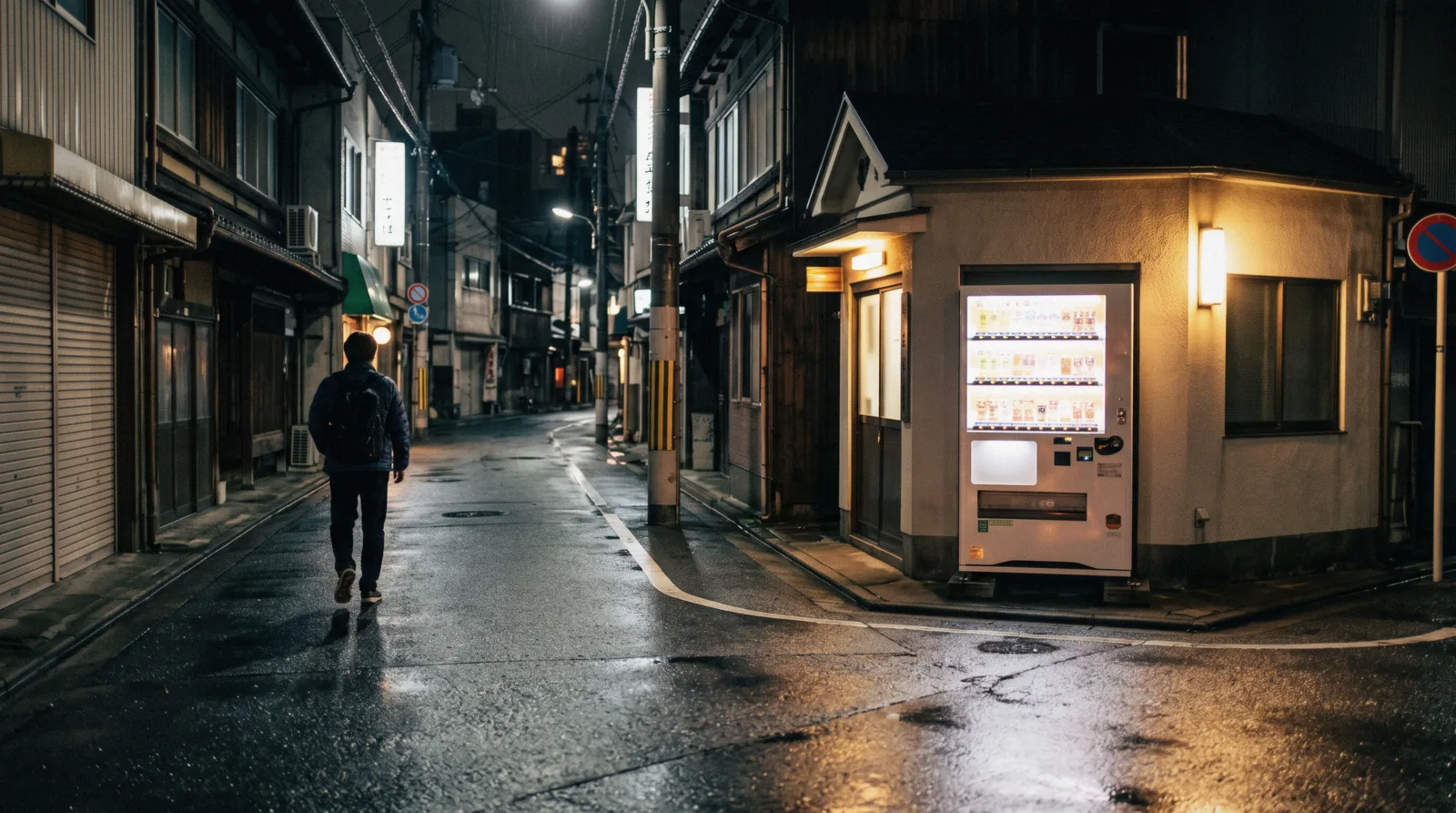
Is Osaka Safe? What Is Actually Published
Osaka safety is a subject where almost everything written for visitors is somebody's impression, so this page is built the other way round: from what the city, the police, the fire bureau and the weather agency actually publish, plus a clear statement of what none of them publishes. That second half matters more than it sounds. There is no official district-by-district safety ranking for Osaka, the articles that give you one are quoting each other, and the single rule most likely to cost a visitor money here is not a crime at all — it is a smoking ordinance with a ¥1,000 fine (about $6.27 at the European Central Bank reference rate via frankfurter.dev). The rest of the practical layer sits on the Osaka plan hub and the city itself is covered in things to do in Osaka.
Quick answer The numbers to save, the rule that fines you, and what nobody publishes
The numbers first, because the tourism bureau's own "safe trip" page never prints them: 110 for police, 119 for fire and ambulance, 118 for maritime incidents, #9110 for police matters that are not emergencies, and #7119 or 06-6582-7119 for the Osaka Emergency Consultation Centre, a 24-hour nurse triage line. The Japan Visitor Hotline on 050-3816-2787 runs 24 hours a day in English, Chinese and Korean. The rule you are most likely to break without knowing it is the street-smoking ban, city-wide since 27 January 2025, $6.27 (¥1,000) and applied to heated tobacco too. And the question everybody asks — which districts to avoid — has no published answer, which is itself the answer.
Key takeaways
- Save 06-6582-7119 as well as #7119: the city says plainly that the short dial fails during a mobile-network outage, and free station wifi was withdrawn in 2023 so there is no fallback connection
- Street smoking is fined $6.27 (¥1,000) anywhere the city manages — roads, squares and parks — including in Dotonbori and the arcades where visitors most often light up
- The genuine seasonal hazard is weather rather than crime: August and September carry Japan's highest typhoon normals, which is why the best time to visit treats September as the flexible month
- First night in the city and unsure of it? A guided evening on foot with somebody who lives here is worth more than any list of districts to avoid
The Numbers, and What Each One Reaches
Every number here comes from the body that answers it, read on in Q3 2026. The language column says "not stated" wherever the operator publishes none, which is most of them.
| Number | Reaches | Hours | Languages published | Use it when |
|---|---|---|---|---|
| 110 | Osaka Prefectural Police | 24 h | Not stated | A crime in progress, a traffic accident |
| 119 | Osaka City Fire Bureau — fire and ambulance | 24 h | Not stated | Fire, or someone needs an ambulance now |
| 118 | Japan Coast Guard | 24 h | Not stated | Anything on the water, including Osaka Bay |
| #9110 | Police consultation, explicitly not 110 | Not stated | Not stated | Harassment, a lost passport, advice |
| #7119 / 06-6582-7119 | Osaka Emergency Consultation Centre — nurse triage | 24 h, 365 days | Not stated | "Do I need an ambulance?" — advice is free |
| 06-6693-1199 | Osaka Prefecture Emergency Medical Information Centre | 24 h | Not stated | Which hospital is open right now |
| #8000 / 06-6765-3650 | Paediatric emergency advice | Not stated | Not stated | A sick child, out of hours |
| 050-3816-2787 | Japan Visitor Hotline (JNTO) | 24 h, 365 days | English, Chinese, Korean | You need to be understood, in any emergency |
| 06-6131-4550 | Osaka Call Center, the tourism bureau | 09:00–17:30 daily | Not stated | Lost property, a question about the city |
Sources: Osaka Prefectural Police, the Osaka City Fire Bureau, the Japan Coast Guard, the city's emergency consultation service and the Japan National Tourism Organization. The Japan Visitor Hotline takes direct enquiries only: JNTO states it does no three-way interpreting and makes no bookings on your behalf, though it will refer you to foreign-language medical institutions.
The One Rule That Will Actually Cost You Money
Not a crime, not a scam — an ordinance, and the one visitors trip over daily.
Osaka City banned street smoking across the entire city on Monday 27 January 2025. The old rule covered six designated districts; the new one covers 道路・広場・公園その他公共の場所 — roads, squares, parks and other public places the city manages, which in practice means everywhere you will be walking. Heated tobacco is covered as well as lit cigarettes. The penalty is a ¥1,000 過料, a non-criminal administrative fine, under the 大阪市路上喫煙の防止に関する条例. The ordinance page is on the city's own site.
This matters more than the sum suggests because Japan's smoking geography is the opposite of Europe's: smoking indoors in a bar or a small restaurant is often still legal, and smoking outdoors on the street is not. Visitors who have learned to step outside for a cigarette do exactly the wrong thing here. The correct move is to look for a designated smoking room — department stores, stations and larger convenience stores have them — or the enclosed smoking booths dotted around Umeda and Namba.
What the city does not publish is an eating-while-walking rule. No Osaka district has one: not Dotonbori, not Shinsaibashi, not Shinsekai, not Tenjinbashisuji, and Kuromon Ichiba's own association site — the one place such a rule would live — was behind a bot wall when we tried it. So the tabemaruki etiquette you will read about is etiquette, not law: stand near the stall you bought from, do not walk with a skewer through a crowd, and use the stall's bin. That is manners, and it is worth doing; it is not an offence.
The District Question, and Why We Will Not Answer It
The most-searched safety question about Osaka has no published answer. Here is what we checked, and what we found instead.
Search for Osaka safety and within two results you will be told which wards to avoid, usually with an air of insider knowledge and never with a source. We went looking for one.
No Japanese authority publishes a district-level safety ranking for visitors to Osaka. The Osaka Prefectural Police site organises its crime-prevention material by offence type — fraud, cybercrime — and publishes traffic-accident figures; it does not publish a tourist-facing ward-by-ward table, and neither does the city nor the tourism bureau. The commercial "threat data" sites that rank Osaka are selling corporate risk products, not reporting a Japanese public statistic.
So this page names no district as dangerous, and it prints no crime figure at all. Not because there is nothing to say, but because everything we could say would be a number we had not read on an official page — and the whole method of this site is that a figure comes from its source or does not appear.
What to Do Instead of Reading a Ward Ranking
What we will say is procedural, and it is more useful. If something happens, 110 works from any phone and the police box — the kōban — is a physical building on the corner in every busy district; the ones in the nightlife areas are staffed at night for exactly this reason. #9110 is the line for the situations that are not emergencies but are not nothing either. And the three tourist information centres run by the Osaka Convention & Tourism Bureau are staffed in English, Chinese and Korean, all year: JR Osaka Station 07:00–22:00, Shin-Osaka 08:00–22:00, Nankai Namba 09:00–20:00, with the Osaka Call Center on 06-6131-4550 daily from 09:00 to 17:30. Those are the city's own services, published by the city, and they are the right first stop for a lost bag, a lost passport question or a problem you cannot phrase.
One genuine caution that does not require a statistic. Osaka's nightlife districts include streets where touts approach passers-by outside bars and clubs, as they do in every large city. No Osaka authority publishes an advisory about them, so we make no claim about what happens beyond the door — but a bar you were led into by a man on the pavement is a bar whose prices you did not choose, and declining and walking on costs nothing. If you want the nightlife with the uncertainty removed, an evening food walk with a local guide is the version where somebody else picks the doors.
When the Phone Is the Problem
Three published details that decide whether you can reach any of those numbers.
The short dial fails in an outage. The city states it itself: during a mobile-network failure the #7119 short number does not connect, and you should dial 06-6582-7119 instead. Save the long form, not the short one. The same logic applies to #9110 and #8000, both of which have long-form equivalents published beside them.
There is no free station wifi to fall back on. Osaka Free Wi-Fi was withdrawn from every Osaka Metro, Kintetsu, Keihan and Nankai station on 31 March 2023, after the carriers ended their station wireless LAN — Docomo in December 2022, KDDI in March 2023 — and no replacement was provided. The tourism bureau's own visitor page still says the service covers stations, which is one of the two official pages contradicting each other; the termination notice is the newer and more specific one. What does work: mobile coverage reaches all subway stations and the tunnels between them, so a data SIM or an eSIM keeps working underground where wifi never will. Getting around Osaka has the detail.
118 has non-voice channels. The Coast Guard runs NET118, a text-reporting service for people with hearing or speech disabilities that requires pre-registration, and Live118 video reporting, live since 18 January 2025. Nothing equivalent is published for 110 or 119 in English.
When It Is Medical Rather Than Criminal
Osaka publishes a decent medical safety net and one significant gap, and both are worth knowing before you need them.
| Service | What it does | Hours | Note |
|---|---|---|---|
| #7119 / 06-6582-7119 | Nurse triage — whether to call an ambulance | 24 h, 365 days | Advice is free; transfers you to 119 if urgent |
| 06-6693-1199 | Emergency Medical Information Centre | 24 h | Tells you which hospital is open now |
| Osaka Medical Net | Multilingual hospital finder, run by the prefecture | Online | mfis.pref.osaka.jp — search by language spoken |
| OFIX 06-6941-2297 | Foreign residents' consultation, 11 languages | Not stated | A residents' desk, but it answers visitors |
| i-house 06-6773-6533 | Osaka International House consultation | Not stated | The second of the two multilingual desks |
The gap: Osaka publishes no dedicated medical-interpretation phone line, and whether #7119 can handle a call in English is not stated anywhere we could find. What exists is the hospital finder, the two residents' desks above, and the JNTO hotline on 050-3816-2787, which will refer you to foreign-language medical institutions but will not interpret a three-way call. If you are travelling with a condition that needs explaining, the practical preparation is a written note of it in Japanese, made before you leave, rather than a phone number.
The Hazard That Is Actually Measured: Weather
The one part of Osaka safety with real published numbers behind it.
Japan's weather agency publishes typhoon normals for 1991–2020, and they are unambiguous about when the risk sits: August and September each average 3.3 typhoon approaches to Japan, and September carries the highest landfall normal of the year at 1.0. Those are national figures — the agency publishes no per-prefecture typhoon normal, so any article giving you an Osaka count has invented it.
What a typhoon actually costs a visitor is usually a day rather than a trip. Japanese rail operators announce planned suspensions in advance rather than stopping without warning, so the pattern is a published notice a day ahead, a day indoors, and a normal service afterwards. That is an argument for travel insurance and a flexible day in a September itinerary, not for avoiding the month — and it is why a rainy day plan is worth having ready.
Heat is the other measured hazard. August averages a 31.8 °C daily high in the city centre and July 29.9 °C, on our own computation from a 1995–2024 climate record, both with high humidity and warm nights. Heatstroke is a genuine risk on an Osaka August afternoon spent walking between subway exits, and the local answer is the one the best time to visit page sets out: early mornings, underground at midday, observation decks after dark.
For earthquakes and floods, the city publishes the Osaka Disaster Prevention App and a disaster-prevention page for visitors on its tourism site. Neither prints an emergency number, which is the same omission we found on the bureau's "safe trip" page — so the numbers in the table above, taken from the police and the fire bureau themselves, are the ones to save.
Scams: What Is Published, and What Is Not
A short section, because the published record is short.
No Osaka authority publishes a visitor-facing scam advisory. The police site's fraud material addresses 特殊詐欺 — the telephone and remittance frauds aimed at residents, and at older residents in particular — rather than anything a tourist encounters. The tourism bureau's safety page does not mention scams. So there is no official Osaka list of tourist scams for this site to reproduce, and the honest position is to say so rather than to translate somebody's blog into the voice of an authority.
What the published record does support is a handful of ordinary precautions that hold anywhere:
- Prices you did not read are the recurring theme. A bar entered on a tout's invitation, an unlabelled charge, a service you did not ask for. Japan's normal practice is a printed menu with prices and a table charge stated in advance; a place that will not show you one is telling you something. - Cash is still the fallback. Many small restaurants and market stalls are cash-only, ICOCA cards cannot be bought with a credit card, and Crosta's luggage counter is card-only — so carry both. Osaka costs covers what a day actually needs. - Lost property is a real system, not a lottery. Anything handed in goes to the operator or to the police; the tourist information centres and the Osaka Call Center on 06-6131-4550 are the visitor-facing route into it. - The tickets that are counterfeited are the ones sold outside the venue. Every attraction on this site sells through its own site or counter, and the ones with dated pricing — Kaiyukan, USJ — are exactly the ones where a too-cheap resale should stop you.
Where to Go When Something Has Already Gone Wrong
Three staffed counters, one phone number, and the order to use them in.
Osaka's tourist information centres are run by the Osaka Convention & Tourism Bureau rather than by us, and they are the visitor-facing front door for the problems that are not 110 calls: a lost bag, a lost card, a hotel that cannot be found, a ticket that will not scan, a question you cannot phrase in Japanese. All three are open every day of the year and staffed in English, Chinese and Korean, and one phone number serves all of them.
| Centre | Where exactly | Hours | Useful for |
|---|---|---|---|
| Tourist Information OSAKA | JR Osaka Station 1F central concourse, in front of the central ticket gates | 07:00–22:00 | The longest hours in the city; luggage storage is beside it |
| Tourist Information SHIN-OSAKA | JR Shin-Osaka Station 3F concourse, opposite the Shinkansen Central Exit | 08:00–22:00 | Arrivals and departures by bullet train |
| Tourist Information NAMBA | Nankai Namba Station 1F, in front of the north exit | 09:00–20:00 | The airport line, and the whole Minami side |
The Osaka Call Center on 06-6131-4550 answers daily from 09:00 to 17:30 and is the phone version of the same service. Details are the bureau's, published on its own site; hours can change, and the centre itself is the authority on them, not this page.
The order that works for a real problem: if it is an emergency, 110 or 119 first and everything else afterwards. If it is not, the kōban on the corner for anything involving property or a police report — lost property handed in by a member of the public goes there, and a report from the kōban is what an insurer will want. Then the information centre or the Call Center for the practical repair: which office holds a bag handed in on a train, how to reach a consulate, how to replace a rail pass. #9110 is the police line for the situations in between.
One detail worth knowing before you need it: Japan's lost-property system genuinely works, but it is a chain of custody rather than a search — an item goes from the finder to the operator or the police and sits there. That means reporting it in the right place matters more than reporting it quickly, and the centres above will tell you which place that is.
The Guided Version of a First Night Out
The most common form of unease in a new city is not danger but not knowing which door to open, and a local guide solves that better than any list of districts. Prices are GetYourGuide's own listings in US dollars, and they move with the platform; the figure at checkout is the one that counts.
 from $60.86
Most booked
from $60.86
Most booked
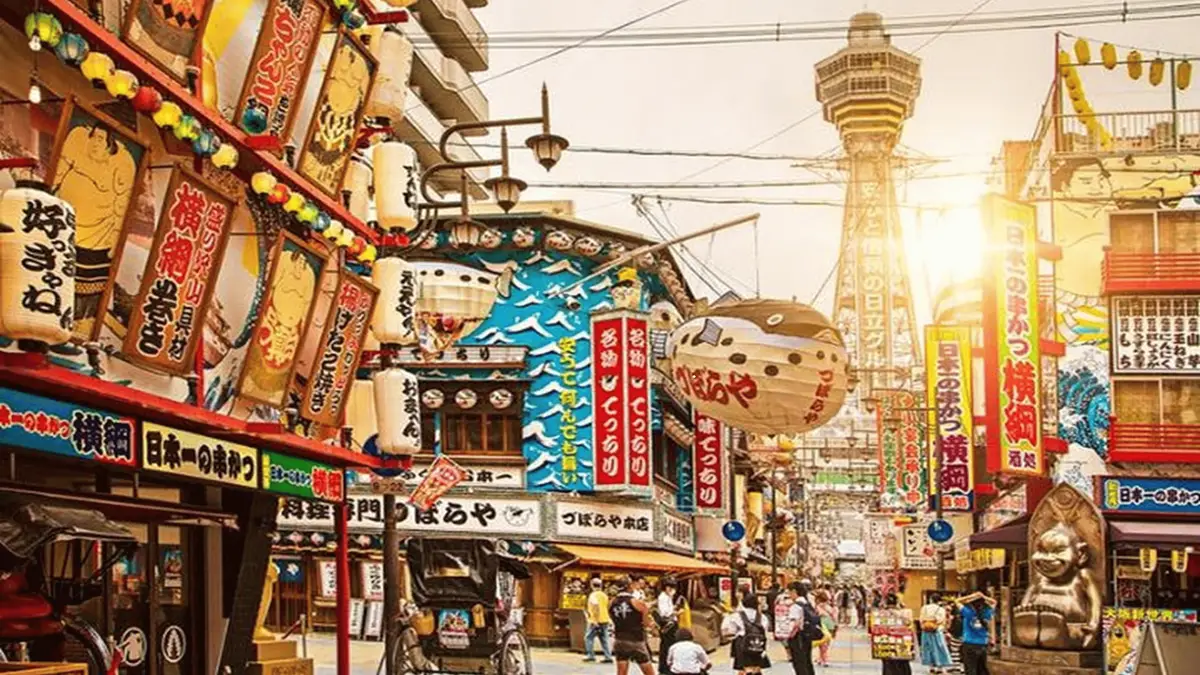
Osaka: Food Tour with 15 Dishes & 3 Drinks with a Local Expert
The same shape as the Hungry Osaka walk — five Shinsekai venues, fifteen dishes, three drinks — for about nine dollars less, with far more reviews behind the rating and hotel pickup included.
Check Availability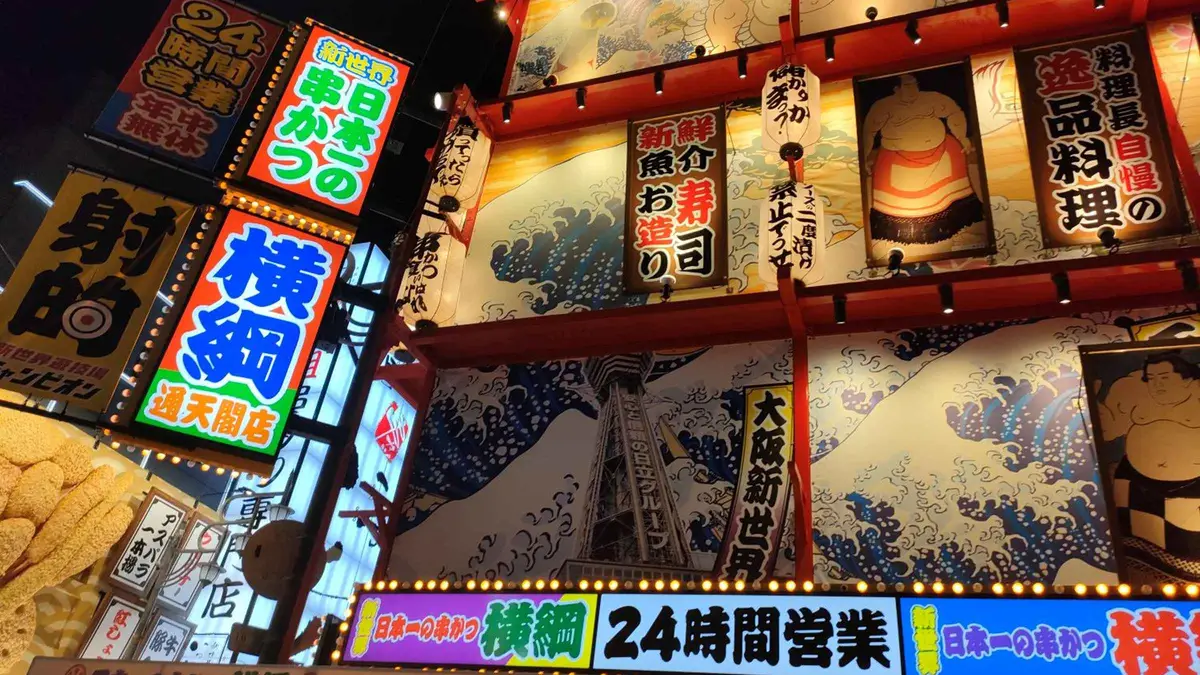 from $69.79
Hungry Osaka Street Food Tour Shinsekai: 15 Tastings 3 Drinks
Fifteen tastings and three drinks across an izakaya, a stall, a standing bar and two restaurants in Shinsekai, over three hours. The best rated of the big evening food walks; getting there and home afterwards is your own affair.
Check Availability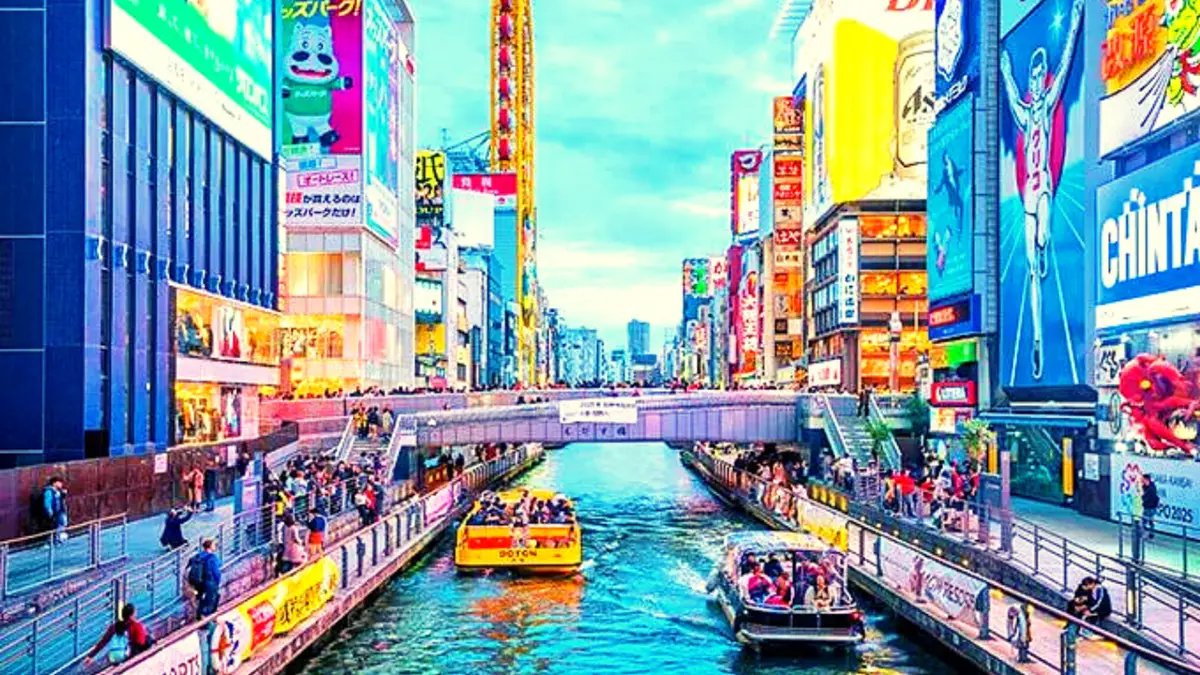 from $35.71
Osaka: Private or Group Hotspots & Hidden Gems Walking Tour
A three-hour walk that stretches to seven if you want it to, private or shared, with a takoyaki and a retro vending-machine drink included. The longer options use trains, which you pay for — usually under ¥1,000 a head.
Check Availability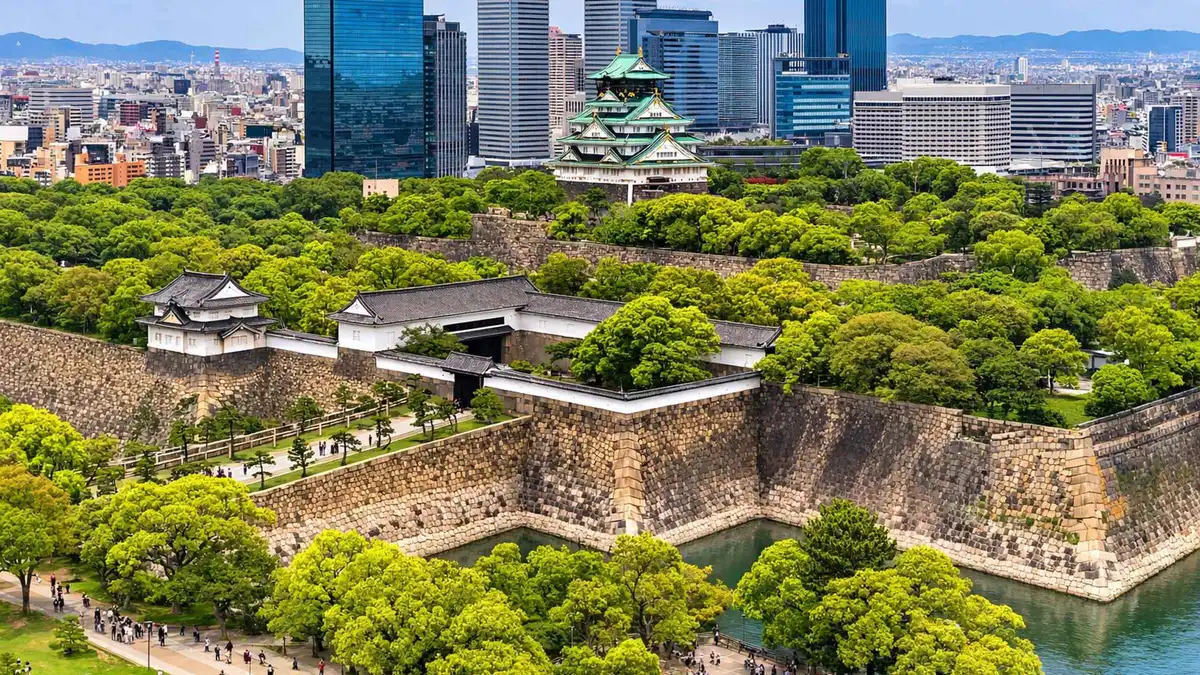 from $54.56
Osaka: Guided Walking Tour with a Native Expert – Top Sights
Four hours linking Osaka Castle, Tsutenkaku and Namba by metro, with the ¥1,200 keep admission included and the ¥430 of train fares not. A Japan Rail Pass buys you nothing here — the route runs on Osaka Metro.
Check Availability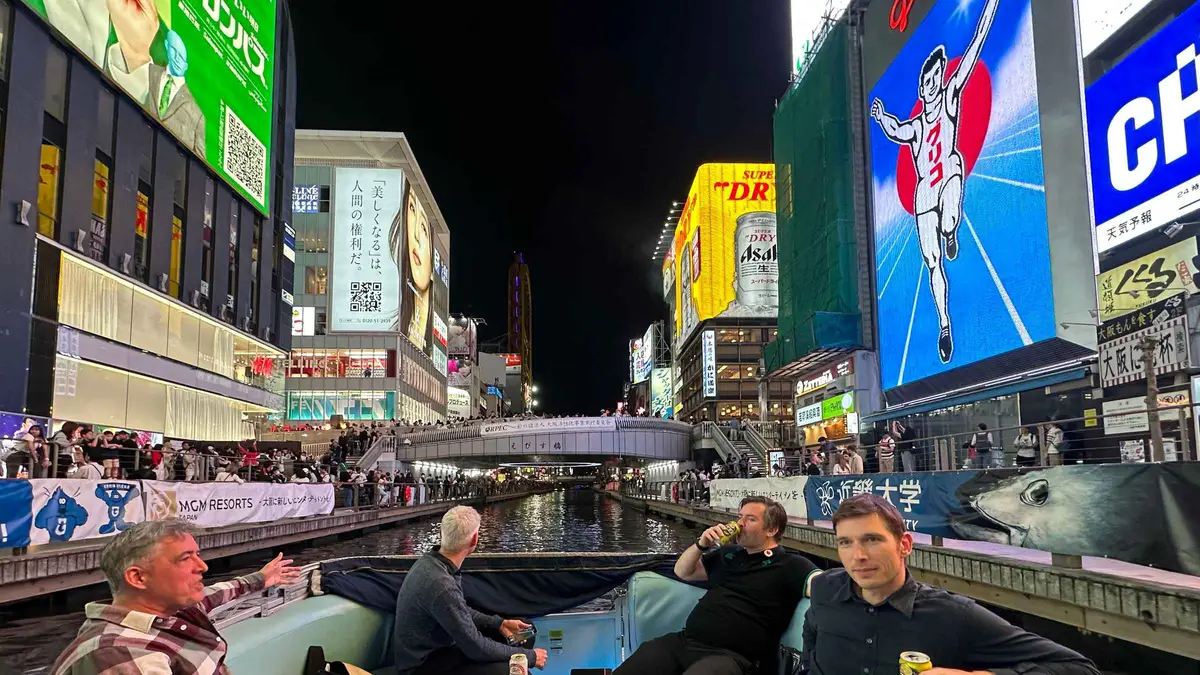 from $12.49
Osaka: Dotonbori River Cruise with Glico Sign & Neon Views
Twenty minutes on the water past the Glico sign, boarding at Minatomachi Pier rather than the Tombori River Walk, and you may bring your own drinks. The rival Tombori River Cruise is free with the Osaka Amazing Pass; this boat is not.
Check Availability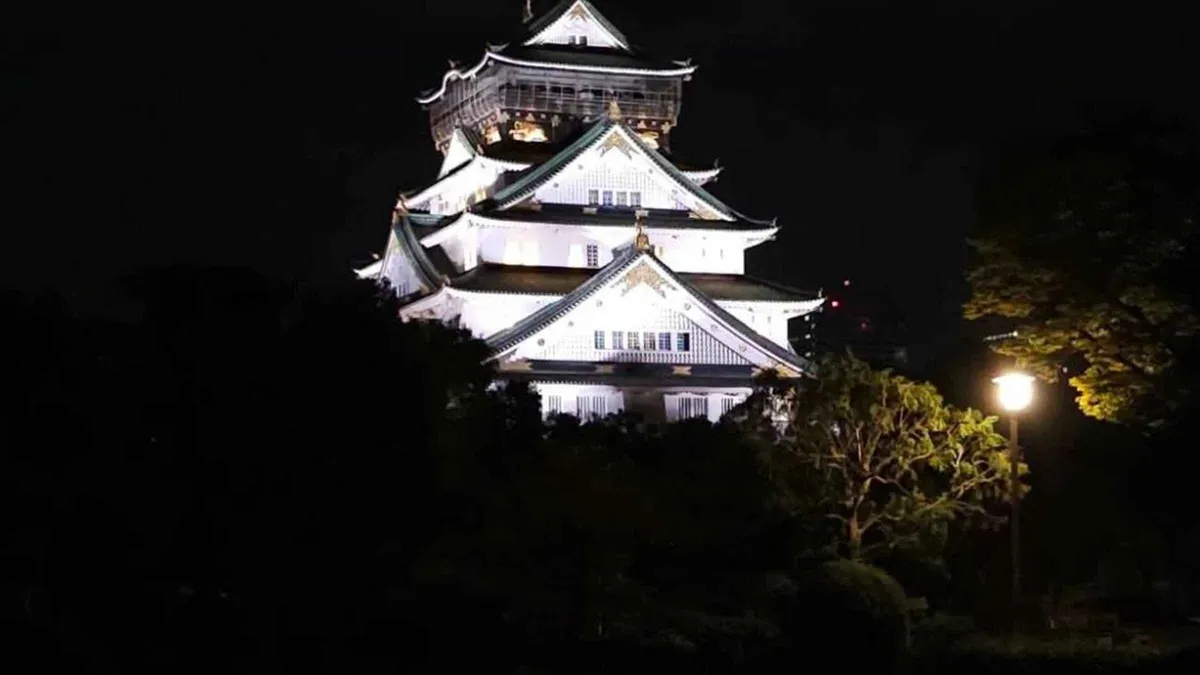 from $34.33
Osaka: Osaka Castle Haunted History Tour (Night & Day)
Two hours of siege history and ghost stories on the castle grounds, running by day or after dark from Jo-Terrace. It is a storytelling walk rather than a haunted house, and the keep interior is not part of the route.
Check AvailabilityPrices, ratings and details are the platform's own. Dollar figures are the listed prices. The platform bills in your account's currency.
Where to Go Next
Three pages that carry the practical half of this one.
Getting around Osaka
Fares, passes, ICOCA and the station wifi that no longer exists — the page the connectivity section above belongs to.
The networkThe best time to visit Osaka
The typhoon and heat numbers in full, month by month, with the dates that actually move prices.
The seasonA rainy day in Osaka
The indoor plan to have ready for the day a storm is announced, built from opening hours and closed days.
The fallbackOsaka Safety: The Questions
Is Osaka safe for visitors?
The published record supports a calm answer rather than a confident one. No Japanese authority publishes a visitor safety index for the city, no ward-by-ward ranking exists on the prefectural police site, and there is no official tourist scam advisory. What is published is the infrastructure for when something goes wrong: 110 for police, 119 for fire and ambulance, #9110 for non-emergencies, a 24-hour nurse triage line on #7119 or 06-6582-7119, and the Japan Visitor Hotline on 050-3816-2787 in English, Chinese and Korean, 24 hours a day.
Is Osaka safe at night?
No authority publishes a night-time safety statement for the city, so this page will not manufacture one. Two published facts are worth having anyway. The subway runs late but not all night, so a plan that ends at 01:00 is a taxi plan — check the last train before you commit. And the police box, the kōban, is a staffed building on the corner in every busy district, which is the fastest route to help that does not involve a phone. If the unease is about which streets to walk, an evening walking tour with a local removes the question entirely.
Which areas of Osaka should visitors avoid?
Nobody official says. We looked: the Osaka Prefectural Police site organises its crime-prevention material by offence type and publishes traffic-accident figures, with no ward-by-ward table for visitors, and neither the city nor the tourism bureau publishes one either. The rankings you find in search results are commercial risk products or blogs quoting each other. This site therefore names no district as dangerous — and prints no crime numbers, because we could not read any on an official page.
Is Osaka friendly to Americans and other foreign visitors?
No authority publishes anything about attitudes to visitors of any nationality, so treat every confident answer to this question — including a reassuring one — as an opinion. What is published is the support: the tourism bureau's three information centres are staffed in English, Chinese and Korean every day of the year, the Japan Visitor Hotline on 050-3816-2787 answers in the same three languages 24 hours a day, and the prefecture runs a multilingual hospital finder plus two foreign-language consultation desks, OFIX on 06-6941-2297 in eleven languages and i-house on 06-6773-6533. The practical friction for an American visitor is language and cash, not welcome: carry both a card and yen, since many small restaurants and market stalls take only cash and ICOCA cards cannot be bought with a credit card.
What are the emergency numbers in Osaka?
110 for police, 119 for fire and ambulance, 118 for the Coast Guard, #9110 for police matters that are not emergencies, #7119 or 06-6582-7119 for the 24-hour Osaka Emergency Consultation Centre, 06-6693-1199 to find a hospital that is open, #8000 or 06-6765-3650 for paediatric advice, and 050-3816-2787 for the Japan Visitor Hotline in English, Chinese and Korean. Save the long-form numbers as well as the short ones: the city states that the short dials fail during a mobile-network outage.
Can you smoke on the street in Osaka?
No. Osaka City banned street smoking across the whole city on 27 January 2025, expanding a six-district rule to roads, squares, parks and other public places it manages, and the ban covers heated tobacco as well as cigarettes. The penalty is a ¥1,000 administrative fine — about $6.27 at ¥1,000 ≈ $6.27, the European Central Bank reference rate. Use a designated smoking room or an enclosed street booth instead; smoking indoors in a small bar is often still legal here, which is exactly the reverse of what most visitors expect.
Is Osaka safe for solo travellers?
There is no published Osaka figure on this, disaggregated or otherwise, so anyone offering you one has made it up. The published tools are the same for everybody: #9110 for a situation that is uncomfortable rather than criminal, the 24-hour Japan Visitor Hotline on 050-3816-2787 if you need to be understood, and the three tourist information centres — Osaka Station 07:00–22:00, Shin-Osaka 08:00–22:00, Namba 09:00–20:00 — staffed in English, Chinese and Korean all year. Practically, the thing that changes a solo evening most is company: a small-group food walk is how most solo visitors do their first night here.
What should I do in a typhoon in Osaka?
Follow the rail operators. Japan's carriers announce planned suspensions ahead of a storm rather than stopping without warning, so the sequence is a published notice, a day indoors and normal service afterwards. The weather agency's 1991–2020 normals put the risk in August and September, at 3.3 approaches to Japan each, with September holding the highest landfall figure of the year — national numbers, since no per-prefecture normal is published. Install the city's Osaka Disaster Prevention App on arrival, keep a flexible day in a September itinerary, and have the indoor plan ready.
What should I do if I lose something in Osaka?
Report it where it was lost rather than where you are. Anything handed in by a member of the public goes to the transport operator or to the nearest police box, and a police report is what an insurer will ask for — so the kōban comes first for a wallet, a phone or a passport, and the consulate second. For the practical repair, the tourism bureau's three information centres are open daily and staffed in English, Chinese and Korean — Osaka Station 07:00–22:00, Shin-Osaka 08:00–22:00, Namba 09:00–20:00 — and the Osaka Call Center on 06-6131-4550 answers from 09:00 to 17:30. If the bag is not lost but merely heavy, that is a different page: luggage storage in Osaka.
What to Know Before You Walk It
Three videos on the practical safety questions this page answers — each id checked against YouTube's own record. They load only when you press play.
Osaka Travel Guide 2026: Safety, Cost, Best Areas & What to Know
A current briefing on safety, costs and which areas to pick, made for first-time visitors.
Video: Kahana DesignsVisit Japan: Safety Advice for Visiting Japan
Country-level safety advice, useful for calibrating how much worry Japan actually earns.
Video: Wolters WorldOsaka Travel Tips: 10 Things to Know Before You Go to Osaka
Ten things worth knowing before you arrive, several of them the etiquette traps on this page.
Video: Yellow ProductionsVideos load from YouTube only when you press play.
Prices, hours and terms are set by the venue or operator and confirmed at checkout.
We may earn a commission if you book through one of our links, at no extra cost to you. Full affiliate disclosure