 Osaka City Guide
Osaka Attraction Tickets: What Each Sight Charges
Osaka attraction tickets work in three different ways in one city, which is why so much of the advice about them is wrong. A few sights sell a dated, timed ticket you must hold before you arrive; most sell a plain admission at a window on the day, with no reservation possible at all; and two of the biggest names sit outside the city's passes entirely. This page puts every paid sight on one table with the fee its own ticket office charges, what the resellers list beside it, whether the ticket carries an hour and which day the place is shut — all read from the venues' own sites, with dollar glosses at ¥1,000 ≈ $6.27. What to see is on the things-to-do page, and for the city as a whole see top places to visit in Osaka.
Quick answer What to book, what to pay at the window, what a pass covers — in four lines
Three Osaka sights sell a ticket with a time on it — Tsutenkaku, teamLab and the aquarium — and everything else is a window on the day. Adult entry runs from $3.14 (¥500) at Shitennoji's central precinct to $52.70 (¥8,400) for a theme-park day, with the castle keep at $7.52 (¥1,200), Tsutenkaku at $9.41 (¥1,500), the Umeda deck at $12.54 (¥2,000) and Abeno Harukas at $13.79 (¥2,200) or $12.41 (¥1,980) bought online in advance. Prices are read from the venues' own sites at $6.27 (¥1,000) ≈ $6.27.
Key takeaways
- The reseller is not automatically dearer here: the observatory at Abeno Harukas and the tower ticket are both listed below their own counter prices, while a park day is listed above
- Osaka Castle takes no admission reservations at all, so nothing you buy in advance moves you past the queue — only the hour you arrive does
- Neither the aquarium nor Universal Studios Japan is on the city sightseeing pass, which is the fact that decides whether a pass is worth buying
- The pass arithmetic, the sales window and the 03:00 rule are on the pass page; what a whole day costs is on the costs page
Every paid sight in Osaka, on one table
Adult admission read from each venue's own Japanese-language site in Q3 2026, in yen with a dollar gloss at ¥1,000 ≈ $6.27; the reseller column is the platform's listed US-dollar price for a comparable entry ticket on the same day. “Timed?” means the ticket carries an hour, not merely a date.
| Sight | Official adult | On GetYourGuide | Timed? | Closed |
|---|---|---|---|---|
| Shitennoji central precinct | $3.14 (¥500) | No listing | No | Not stated |
| Osaka Museum of History | $3.76 (¥600) | No listing | No | Tuesdays, 28 Dec – 4 Jan |
| Tennoji Zoo | $5.02 (¥800) | No listing | No | Mondays, 29 Dec – 1 Jan |
| Osaka Castle keep | $7.52 (¥1,200) | Listed at $7.49 | No — no reservations taken | 28 Dec – 1 Jan |
| Nishinomaru Garden | $1.88 (¥300) from 1 April 2026 | No listing | No | Mondays, 28 Dec – 4 Jan |
| Spa World without the pool | $9.41 (¥1,500) | No listing | No | Not stated |
| Tsutenkaku | $9.41 (¥1,500) | Listed at $6.87 | Yes — every ticket | Not published |
| teamLab Botanical Garden | $11.29 (¥1,800)–$15.05 (¥2,400) by date | Listed at $11.86 | Yes — date and time | Irregular Mondays |
| Umeda Sky Building | $12.54 (¥2,000) | No entry-only listing | No | None published |
| Abeno Harukas 300 | $13.79 (¥2,200), or $12.41 (¥1,980) online in advance | Listed at $9.89 | No | None published |
| Osaka Aquarium Kaiyukan | $17.56 (¥2,800) / $18.18 (¥2,900) / $20.10 (¥3,200) / $21.90 (¥3,500) by date | No listing | Dated e-ticket recommended | 13–14 January 2027 |
| Universal Studios Japan | From $52.70 (¥8,400) | Listed at $61.80 | Dated, priced by date | None published |
| Cup Noodles Museum | Free | No listing | Workshop on same-day numbers | Tuesdays, New Year |
| Sumiyoshi Taisha | No fee published | No listing | No | Not stated |
| Namba Yasaka Shrine | No fee published | No listing | No | Not published |
| Dotonbori and the arcades | Free | Walking tours only | No | No gate |
Two rows carry the whole page. The reseller is cheaper than the counter at Tsutenkaku and at Abeno Harukas and level at the castle, which contradicts the usual advice to always buy at the window; and it is dearer for a theme-park day, where the park's own store is the only place the current price exists. Everything else in this city has no reseller listing at all, so the question does not arise.
The pass arithmetic, in brief
Osaka sells two passes that bundle these entries and one card that bundles only transport. The break-even is easy to work out and easy to miss.
A sightseeing pass earns its price where individual entries are expensive. In Osaka most are not: eight of the eleven paid sights above come in under $12.54 (¥2,000). What makes a pass work here is the transport it folds in — and what breaks it is that the two most expensive days in the city are excluded.
| Product | Price | What it covers | Break-even |
|---|---|---|---|
| Osaka Amazing Pass, 1 day | $21.90 (¥3,500) | Metro, city buses and the private lines inside the city, plus one free entry at each of 41 attractions | Two observation decks plus three or four metro rides |
| Osaka Amazing Pass, 2 day | $31.40 (¥5,000) | The same, on two consecutive days | Four paid entries and the transport between them |
| Osaka e-Pass, 1 day | $12.54 (¥2,000) | Entries only, at more than 25 facilities; no train or bus fares at all | Two paid entries from its own list |
| Osaka e-Pass, 2 day | $15.68 (¥2,500) | The same list, each facility still only once | Three paid entries across two days |
| Enjoy Eco Card | ¥820 weekday, ¥620 weekend | All Metro and city bus lines for one calendar day; no entries | Four rides on a weekday, three at a weekend |
Four rules decide whether any of that is worth buying, and none of them is the headline number.
The aquarium and the theme park are not on the free list — the two most expensive tickets in this guide, and a pass touches neither.
A pass day runs 03:00 to 02:59, not twenty-four hours from activation, so a pass first used at one in the morning expires two hours later.
It is not valid to or from Kansai Airport, which is the commonest assumption people make about it.
Two official sources disagree on the price. The tourism bureau's comparison table still prints ¥2,800 and ¥3,600; the pass's own site prints ¥3,500 and ¥5,000 for the standard pass (the Osaka Itami Airport version is ¥3,800 and ¥5,400) for the sales period running 25 March 2026 to 31 March 2027. Take the pass's own page — its full arithmetic, the 41-attraction list and the closures inside it are here.
Which ticket to buy when, sight by sight
The same sights sorted by what you actually have to do rather than by what they cost: the ones that need a slot held in advance, the ones you pay for at a window on the day, and the ones with no ticket at all. Prices are the venues' own.
Hold a slot before you go
-
Universal Studios Japan
Theme park From ¥8,400Full daybook-ahead tier 3 of 3
Every USJ price is printed as a “from” figure because the park prices by date and by stock; its own web ticket store is the only place the current number exists. Express Passes run ¥11,800 to ¥21,800, go on sale about two months ahead and are capped in number.
Tip: An Express Pass does not admit you to the park — you need a Studio Pass as well, and the park says so at the top of its own page.
-
Osaka Aquarium Kaiyukan
Aquarium ¥2,800–¥3,5002–3 hoursbook-ahead tier 3 of 3
Four price bands by date, with the calendar published about two months ahead, and opening and closing times that also move by date. The aquarium recommends its own dated e-ticket rather than the counter.
Tip: A counter ticket may not admit you at the hour you wanted — that warning is the aquarium's own.
-
teamLab Botanical Garden
Art installation ¥1,800–¥2,40090 minbook-ahead tier 3 of 3
A dated and timed ticket for a walk that only runs after dark, with last admission at 20:30 on most dates. Official tickets can be changed up to three times, until 21:00 on the day itself.
Tip: Re-entry is not allowed, so plan dinner before or after and not in the middle.
-
Tsutenkaku
Tower ¥1,50045–60 minbook-ahead tier 3 of 3
The general and special outdoor observatories are sold only as a set, and the tower now requires a timed-entry reservation for every ticket. It warns that evening slots sell out and has suspended group bookings.
Tip: Pass holders are not exempt: they book a time at the counter when they arrive.
Pay at the window on the day
-
Osaka Castle
Castle keep ¥1,20090 minbook-ahead tier 1 of 3
A web ticket exists, but the castle states that it takes no admission reservations at all, so buying ahead saves the till and not the queue. The fee changed on 1 April 2025 and last admission is 17:30.
Tip: The queue can be capped before last admission on a busy day, which is the only real risk here.
-
Abeno Harukas 300
Observatory ¥2,20060 minbook-ahead tier 1 of 3
The fee was revised on 23 July 2026: ¥2,200 at the counter, ¥1,980 bought online by the day before, ¥2,200 online on the day. Children 6–14 are ¥900, or ¥810 in advance.
Tip: Walk-up tickets are sold only at the 16F counter and can be numbered or suspended when it is busy.
-
Umeda Sky Building
Observatory ¥2,00060–90 minbook-ahead tier 1 of 3
A flat ¥2,000 with no timed entry, open 09:30–22:30 with last admission at 22:00, and the only open-air deck in the city. Two shortened days are published, 8 November 2026 and 18 April 2027.
Tip: The observatory has its own entrance outside the building; the tower lifts do not reach it.
-
Osaka Museum of History
Museum ¥60060–90 minbook-ahead tier 1 of 3
¥600 for the permanent exhibition, sold online as well as at the counter but with no timed slot either way. Under-15s, Osaka-city residents over 65 and disability-certificate holders with a carer go free.
Tip: The free Naniwa Palace site tour takes twenty people at 14:00 and 15:00, first come.
-
Tennoji Zoo
Zoo ¥8002 hoursbook-ahead tier 1 of 3
¥800 at the gate, or ¥1,000 with the optional donation, with an annual pass at ¥3,200. Osaka-city schoolchildren and residents over 65 go free, and disability-certificate holders bring up to two carers free.
Tip: Show a same-day Tsutenkaku ticket and the adult price drops to ¥720.
-
Shitennoji
Temple ¥50060–90 minbook-ahead tier 1 of 3
Three separate tickets — central precinct ¥500, garden ¥300, treasure hall ¥500 — all sold at the counter, with no online option. Elementary and junior-high pupils are free everywhere in the complex.
Tip: The grounds outside the paid halls are free and the gates stand open around the clock.
-
Spa World
Bathhouse ¥1,5002–4 hoursbook-ahead tier 1 of 3
¥1,500 without the pool on any day, ¥2,000 on a weekday or ¥2,700 at a weekend with it, and slides priced separately from ¥500. The night surcharge is ¥1,300 plus a ¥150 bathing tax.
Tip: The operator's website was serving injected spam when we read it — we quote only its price and hours pages, and re-checked both.
Nothing to buy
-
Sumiyoshi Taisha
Shrine No fee published60 minbook-ahead tier 1 of 3
The shrine publishes gate times and prayer fees but no admission charge anywhere on its own site. That is not the same as a published free entry, and this guide will not print one.
Tip: Outer gates close at 16:00 and the inner precinct at 17:00, all year.
-
Namba Yasaka Shrine
Shrine No fee published20 minbook-ahead tier 1 of 3
No fee, no opening time and no closing time appear anywhere on the shrine's own site, which otherwise covers its rites, its weddings and its festival in detail. Nothing at all is published about the lion-head hall that draws the visitors.
Tip: The shrine's phone number, 06-6641-1149, is the only way to confirm a time before you go.
-
Kuromon Ichiba
Market Free to walk45–60 minbook-ahead tier 1 of 3
No entry, no ticket and no market-wide opening time either: the association's site could not be read, and the bureau's line is “varies by location”. About 150 shops over roughly 580 metres.
Tip: Any blanket opening hours quoted for this market are somebody's guess, including the popular ones.
-
Dotonbori
Canal and signs Free60–90 minbook-ahead tier 1 of 3
Nothing here charges admission and nothing keeps fixed hours. The river cruise is the only paid thing on the canal, and it is a tour rather than an attraction ticket.
Tip: No official source publishes anything about the Glico sign, its height or its lighting hours.
-
Cup Noodles Museum Osaka Ikeda
Museum Free90 minbook-ahead tier 2 of 3
Entry is free and needs no ticket at all; the two workshops are the only things you pay for, at ¥500 a cup and ¥1,200 for chicken ramen. Closed on Tuesdays and over New Year.
Tip: The cup workshop runs on same-day numbered tickets in limited numbers, so a late arrival misses it.
Numbers match the list — tap a pin for the guide.
The pass pages sit alongside these: the city sightseeing pass covers eleven of the sixteen sights here and neither of the two most expensive, and the transport page has the day cards that cover no entries at all.
The listings people actually buy, compared
Where a platform sells the same entry the venue sells, the card shows what it is listed at; where it sells a guided version instead, it says so. Prices are the platform's US-dollar listings, confirmed in your own currency at checkout.
 from $7.49
Cheapest way in
from $7.49
Cheapest way in
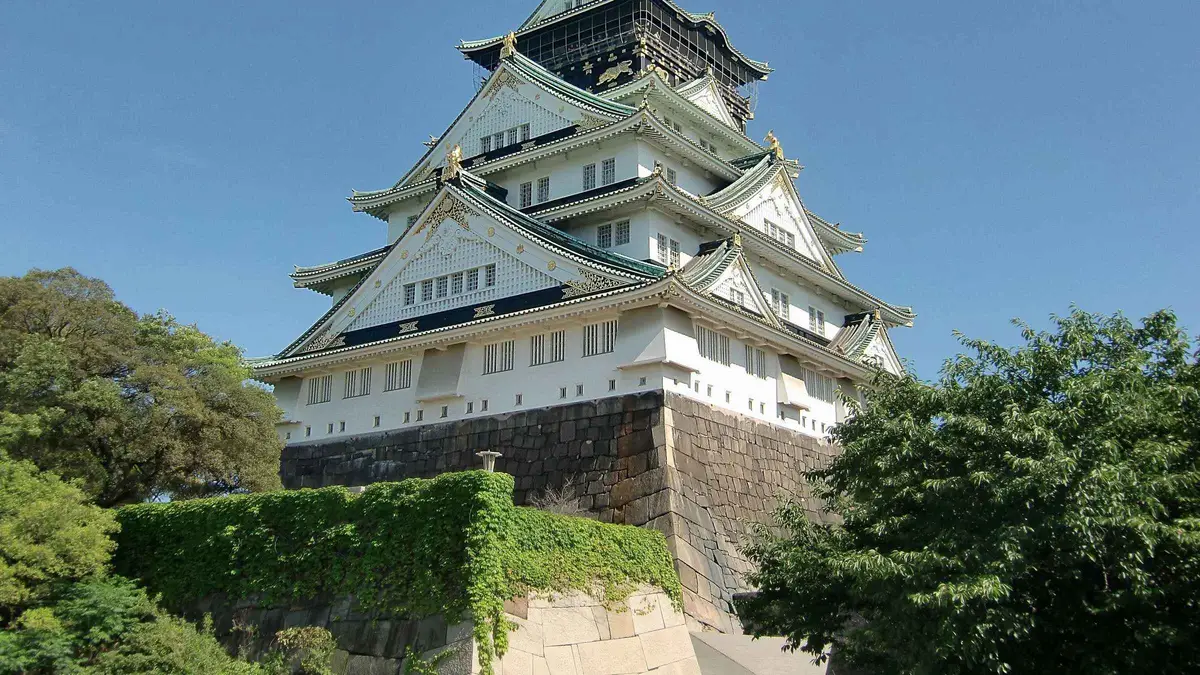
Osaka Castle: Museum and Tower Entry Ticket
The keep's own admission plus the Toyotomi Ishigaki Museum on one QR code, for roughly what the keep alone costs at the gate (¥1,200). The castle takes no reservations, so this saves the booth queue rather than securing a time slot.
Check Availability from $61.80
Official ticket
from $61.80
Official ticket
Osaka: Universal Studios Japan Entry Ticket
The park's own 1-day Studio Pass, delivered as a QR code so you walk past the ticket booth. USJ prices by date from ¥8,400, and the platform's A–F categories mirror those tiers — check your date before assuming it beats the counter.
Check Availability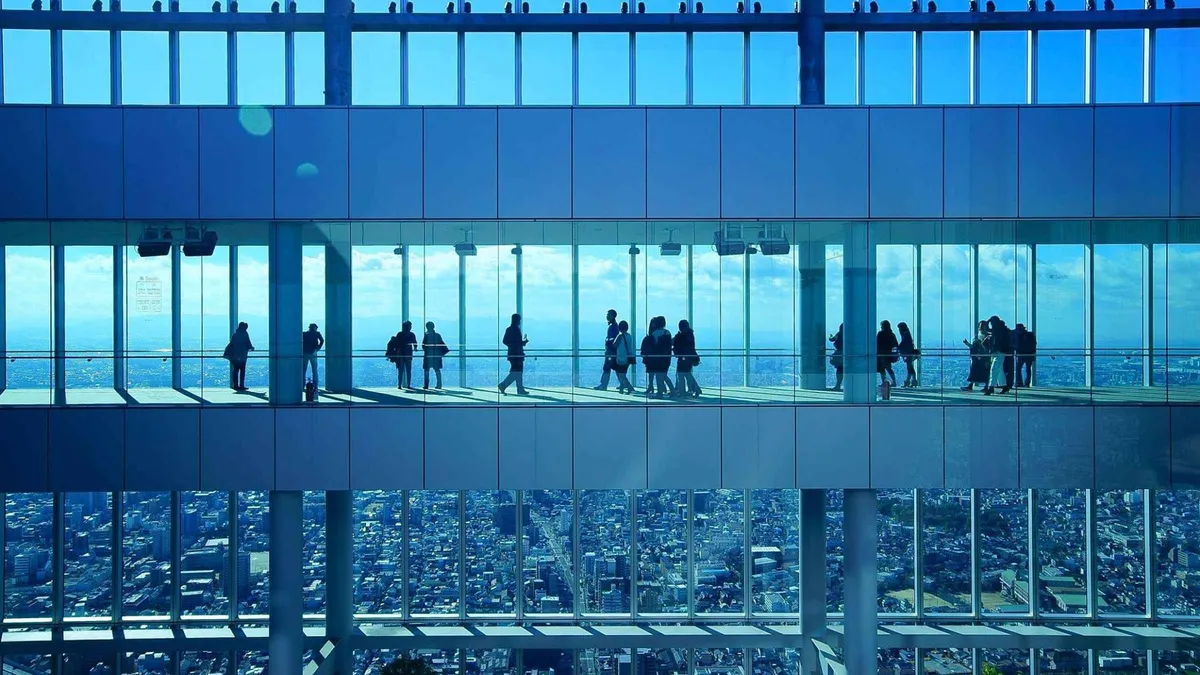 from $9.89
Cheapest way in
from $9.89
Cheapest way in
Osaka: Panoramic Observatory Abeno Harukas 300 E-Ticket
Admission to the 300-metre deck on Japan's tallest building, at roughly ¥1,580 against the venue's ¥1,980 web-advance rate and ¥2,200 walk-up. There is no timed slot, and the 16F counter can cap walk-up sales on busy days.
Check Availability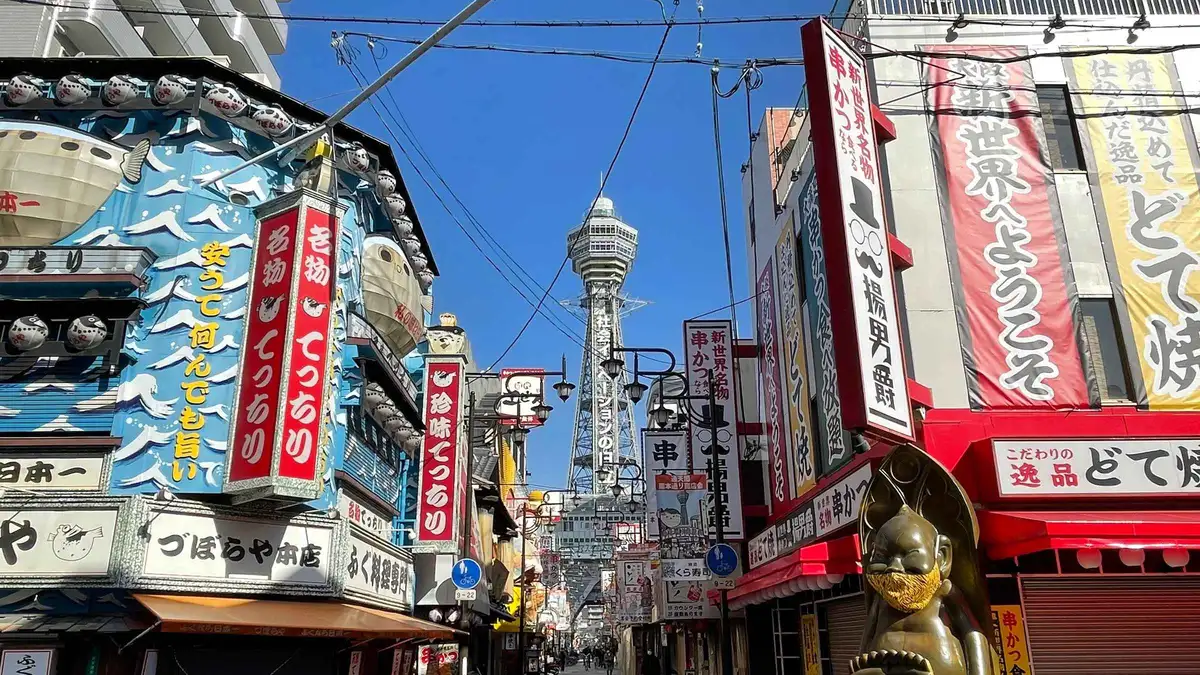 from $6.87
Official ticket
from $6.87
Official ticket
Osaka: Tsutenkaku Tower Experience Ticket
Options run from the 87.5-metre general deck up to the all-in ticket with the outdoor deck, the Tower Slider and Dive & Walk. The tower now requires a timed reservation for every ticket, pass holders included, so booking a slot is the point.
Check Availability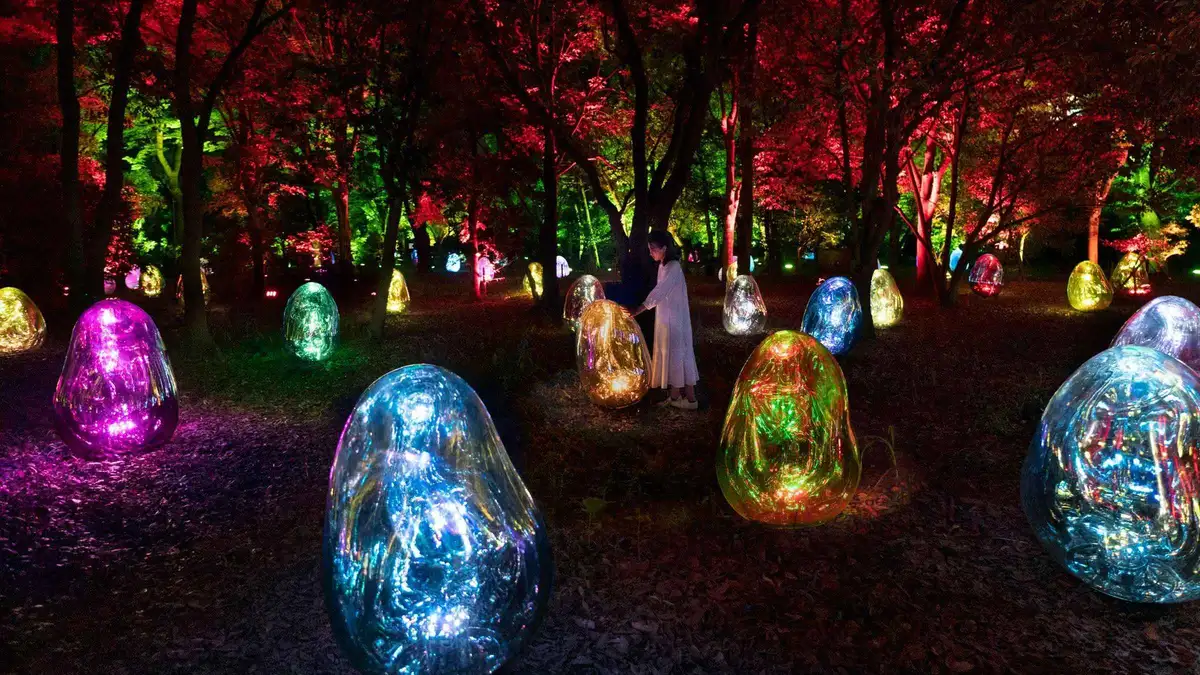 from $11.86
Osaka: teamLab Botanical Garden Entry Ticket
A date-and-time ticket for the night-only art walk through Nagai Botanical Garden. The venue prices by date, ¥1,800–¥2,400, so this sits mid-range; closing times shift by season and re-entry is not allowed.
Check Availability from $113.66
Osaka: Universal Studios Japan Express Pass
Queue-skipping only: the park ticket is bought separately, so budget both. USJ's own Express Passes run ¥11,800–¥21,800 by date. At 3.9 from 311 reviews this is the lowest-rated listing on the site, mostly over which rides a given pass covers.
Check Availability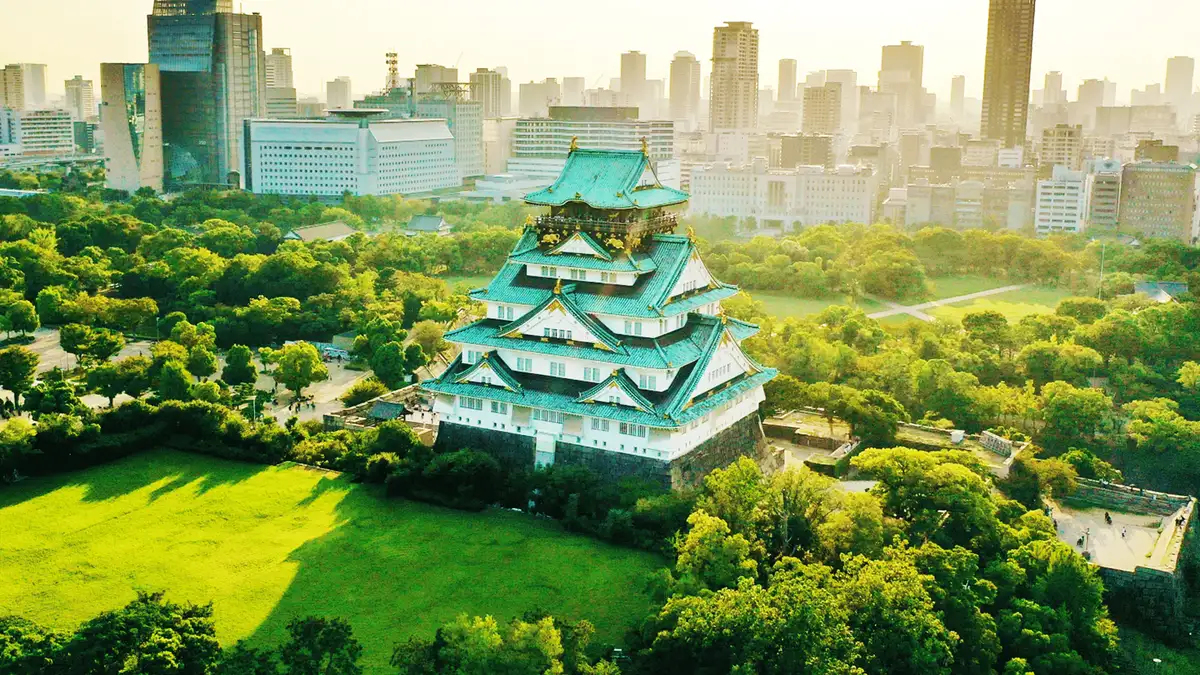 from $17.79
Osaka: Castle Tower Admission / Guided Walking Tour
An hour to 90 minutes through the keep's floors with the ¥1,200 admission included, so the guiding costs about ten dollars on top. Best rated of the castle group, and the museum's Japanese-heavy display captions are the reason a guide earns its fee.
Check Availability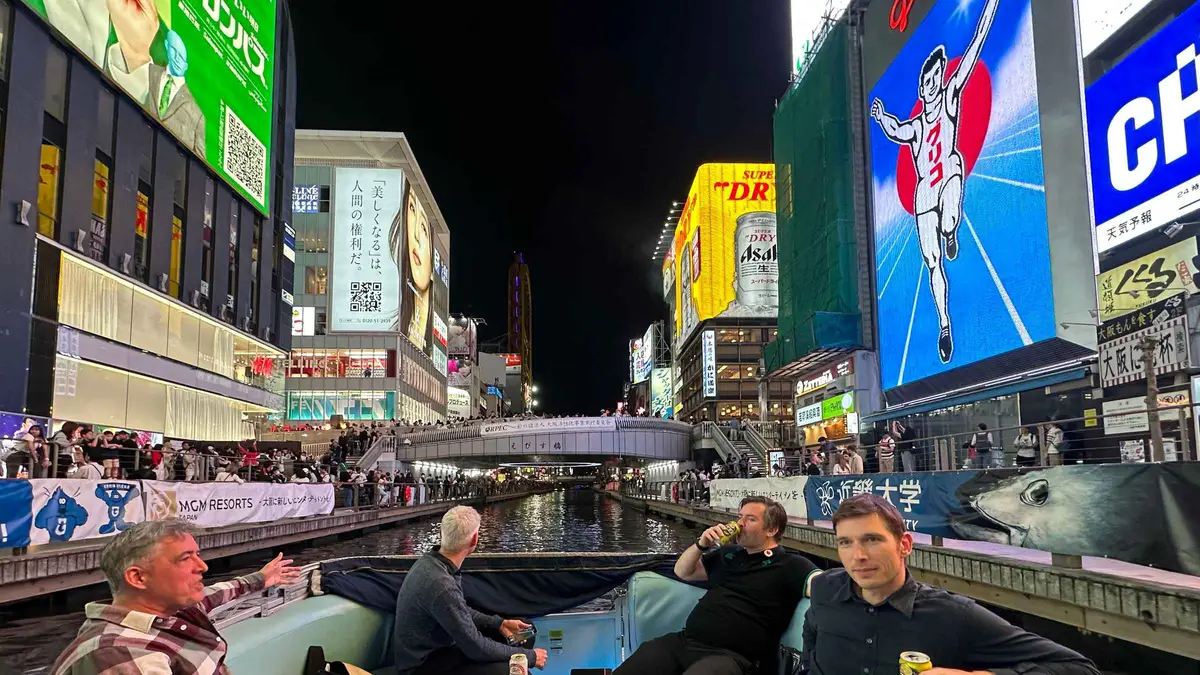 from $12.49
Osaka: Dotonbori River Cruise with Glico Sign & Neon Views
Twenty minutes on the water past the Glico sign, boarding at Minatomachi Pier rather than the Tombori River Walk, and you may bring your own drinks. The rival Tombori River Cruise is free with the Osaka Amazing Pass; this boat is not.
Check AvailabilityPrices, ratings and details are the platform's own. Dollar figures are the listed prices. The platform bills in your account's currency.
How you actually pay at an Osaka gate
The mechanics differ from Europe, and from Tokyo, in three ways that cost people time on their first morning.
Most counters take cash and an IC card; the larger sites and the museums take foreign credit cards, and the smaller temples often do not. An ICOCA is the card to hold — JR West names Hankyu, Hanshin, Osaka Metro, Keihan, Kintetsu, Nankai and the buses in its mutual-use area, so one card covers every operator on this site. It costs ¥2,000 including a ¥500 deposit and has to be bought with cash, because the machines that sell it do not take credit cards.
The second difference is that a “web ticket” in Osaka rarely means a reservation. The castle sells one and states that it takes no admission reservations; the Museum of History sells one with no timed slot; Abeno Harukas sells one that is simply ten per cent cheaper bought by the day before. Only Tsutenkaku, teamLab and the aquarium attach an hour to what you buy.
The third is the discount structure, which is generous and inconsistent. Disability certificates get half price at the aquarium, NIFREL, Umeda Sky and Spa World, a separate lower tariff at Tsutenkaku and Abeno Harukas, and free entry at the castle, the zoo, the Museum of History and the Science Museum. The number of carers admitted varies too — one at most places, up to two at the zoo, and “the same number as the disabled visitors” at Umeda Sky and Harukas.
- Carry about $31.40 (¥5,000) a person a day in cash for admissions and lunches
- ICOCA in Apple Wallet works with an overseas-issued card; there is no Google Wallet version, and moving a plastic card into Wallet cannot be undone
- Student and child rates in Japan are by school grade, not by age, and are checked casually
- Osaka-city residents over 65 enter the castle, the zoo, the Museum of History and the Science Museum free — a rule worth knowing if you are visiting family here
The short list of what genuinely needs booking
Four categories, and only three of them are attractions.
- Tsutenkaku — a timed-entry reservation is now required for every ticket, pass holders included, and the tower warns that evening slots sell out.
- teamLab Botanical Garden — a dated and timed ticket, priced by date between ¥1,800 and ¥2,400, with irregular Monday closures that have to be checked against its own calendar.
- The aquarium — not compulsory, but the venue itself says a counter ticket may not admit you at your chosen hour, and its price bands are only published about two months ahead.
- Universal Studios Japan — the park itself, and the Express Passes far more so: they are capped in number, go on sale about two months out and sell through for the popular dates.
- Small-group tours and classes — the walking loops and cooking classes run for eight to sixteen people and fill up in the festival weeks and over the New Year.
When a slot is missed, or a booking goes wrong
This is the section every ticket page owes a reader and almost none of them writes. Here is what each seller actually publishes — and what none of them does.
No Osaka attraction publishes a grace period for a late arrival. We looked for one at all four venues that attach an hour to a ticket — Tsutenkaku, teamLab, the aquarium and Universal Studios Japan — and not one states how many minutes late is still admitted, or what happens if the slot is missed entirely. That silence is the finding: treat a timed Osaka ticket as valid at its printed hour and nothing more.
The one published flexibility is teamLab's, and it is generous: an official ticket bought from the venue's own ticket site can be changed up to three times, as late as 21:00 on the day of the visit. A reseller's voucher follows the reseller's terms instead.
A platform booking you cannot use. Almost every listing on this site cancels free up to twenty-four hours before the start time and refunds to the original card; inside that, it is the operator's decision. That is a better safety net than the venues offer directly, and it is the honest argument for booking a guided version while your dates are still moving.
A pass you activated and could not use. Both city passes refund only while unused and still valid — once a gate has read the QR code the day is spent, and the Amazing Pass's day ends at 02:59. The e-Pass cannot be cancelled after purchase at all.
A closure you did not expect. Tsutenkaku publishes no closed days and announces unscheduled ones on its official X account; the aquarium publishes its calendar about two months out and nothing beyond. If a date matters, check the venue's own calendar in the week before you travel rather than trusting any guide, this one included — and tell us if you find one of ours out of date.
The tickets that no longer exist
Three products that guides still recommend, and one whose price the city's own tourism site still prints wrongly.
The castle and history museum combined ticket was withdrawn on 27 December 2024 and the castle and Aqua-bus set on 24 March 2025. Both are still recommended in print and online, and neither can be bought anywhere; the two sights are now simply two tickets, ¥1,200 and ¥600. The castle ticket page has the detail.
The Kansai Thru Pass is gone as a name. From 1 April 2026 the product is the digital Kansai Railway Pass Lite at ¥5,200 for two days and ¥6,500 for three — and buses are no longer covered, which was the old pass's headline feature. Anyone planning a Kyoto day around city buses on the strength of an old blog post is planning around a product that no longer exists.
Nishinomaru Garden at ¥200 became ¥300 from 1 April 2026, with ¥350 kept for the cherry-blossom evenings. The park's own website is an unfinished template that publishes the garden's hours nowhere at all, so the fee comes from the operator's news notice rather than a facility page.
Where to go next
The three pages that turn these prices into a plan.
Things to do in Osaka
All twenty-two sights grouped by area and numbered to a map, with the hours, the closed days and the time each takes.
The listWhat Osaka costs
A day priced from these figures, plus the prefecture lodging tax whose bands changed on 1 September 2025.
The budgetGetting around Osaka
Metro zone fares, the day card that is cheaper at weekends, and the IC card that covers every operator in the region.
The practical pageOsaka attraction tickets: the questions
Do you need to buy tickets in advance in Osaka?
For three sights, yes: Tsutenkaku requires a timed reservation for every ticket, teamLab sells a dated and timed ticket, and the aquarium recommends its own dated e-ticket. Everything else is a window on the day — the full list of what needs booking is above.
Are the resellers cheaper than the official window?
Sometimes, which is unusual. On 2 September 2026 the tower ticket and the Abeno Harukas observatory were both listed below their own counter prices, the castle entry was level with it, and a theme-park day was listed above it. The table above has each pair side by side.
Is a city pass cheaper than paying at each gate?
Only on a fast day with a lot of metro in it. The break-even is roughly two observation decks plus three or four rides, and the two most expensive entries in the city — the aquarium and the theme park — are not covered at all. The arithmetic is here, and the pass table above has the break-even points.
Which sights sell a ticket with a time on it?
Three, and one near-miss. Tsutenkaku requires a timed reservation for every ticket including pass holders, teamLab sells a date-and-time ticket, and Universal Studios Japan prices by date. The aquarium sells a dated e-ticket it recommends over the counter. Nothing else in the city attaches an hour to an entry.
What happens if I miss a slot I booked?
Nothing published, which is the honest answer. None of the four venues that sell timed entry states a grace period or a missed-slot rule on its own site. The one exception to the silence is teamLab, whose official ticket can be changed up to three times, until 21:00 on the day. The recovery section sets out what each seller does.
Which paid sights close on Mondays, and which on Tuesdays?
Mondays close the zoo, the Science Museum and the National Museum of Art. Tuesdays close the Museum of History and the Cup Noodles Museum. teamLab closes on irregular Mondays rather than every Monday, and the castle closes only from 28 December to 1 January.
Can I pay by card at a ticket window here?
At the larger sights and the museums, yes; at smaller temples and shrine offices, often not. Carry about $31.40 (¥5,000) a person a day in cash, and hold an ICOCA — it works on Osaka Metro, Hankyu, Hanshin, Keihan, Kintetsu, Nankai and the buses. The card itself has to be bought with cash.
On film: buying tickets in Osaka
Three videos we checked ourselves — each id verified against YouTube's own oEmbed record and its thumbnail. They load only when you press play.
Universal Studios Japan First Timer Guide | Express Pass, App & Must-Know Hacks Explained (2026)
The park's two-ticket system explained, which is the part people get wrong.
Video: PhatLife ProjectHow to Buy Tickets for Universal Studios Japan! (No Stress!)
A walk through the park's own web ticket store, where the current price lives.
Video: PiQtour JapanOsaka Castle Ticket | What You MUST Know Before You Go!
The castle window in practice — the sight that takes no reservations at all.
Video: MeyesVideos load from YouTube only when you press play.
Prices, hours and terms are set by the venue or operator and confirmed at checkout.
We may earn a commission if you book through one of our links, at no extra cost to you. Full affiliate disclosure