 Osaka City Guide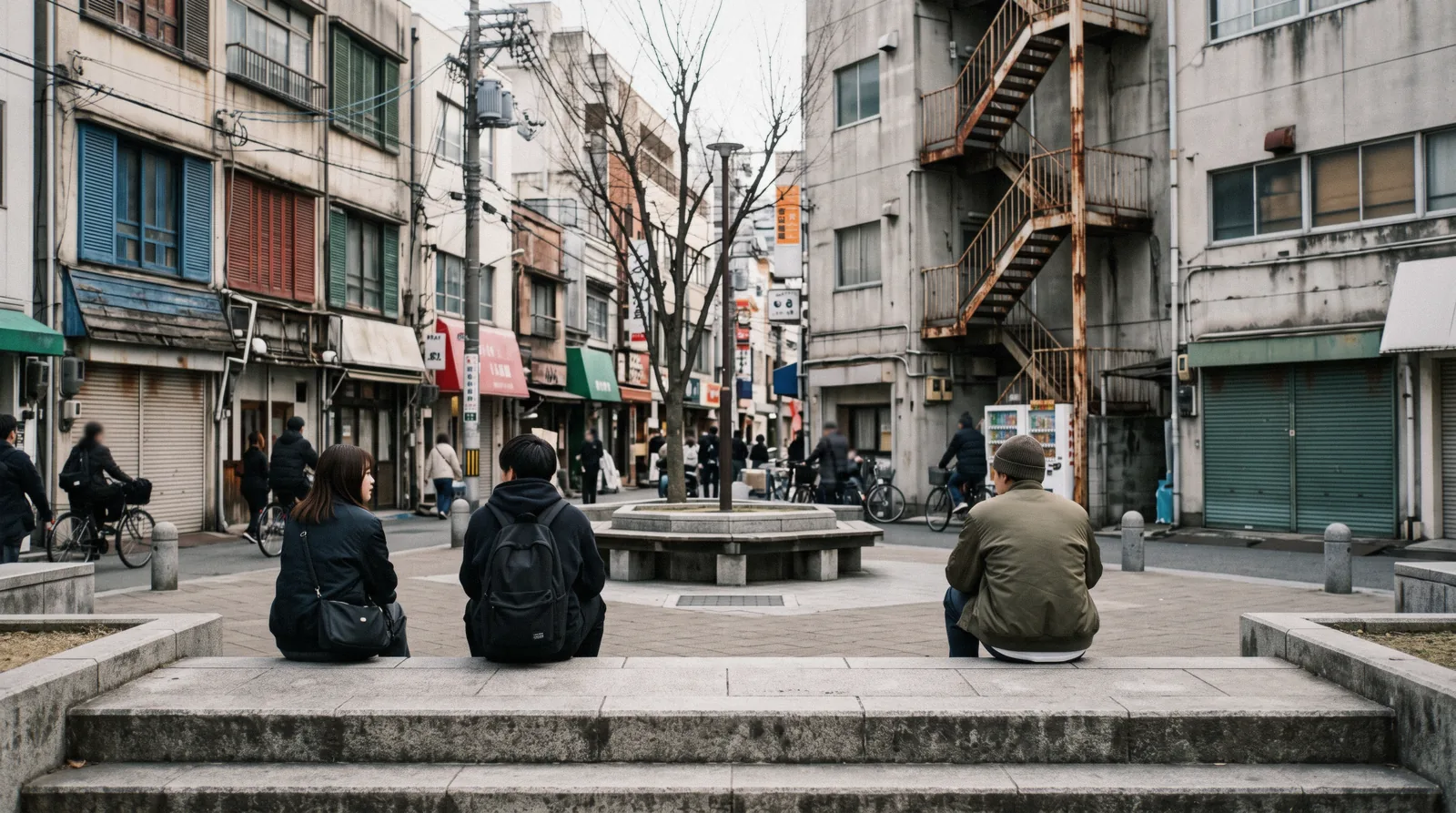
Amerikamura
Amerikamura — Amemura to everybody who lives here — is the second-hand and street-fashion quarter west of Midosuji in Chuo-ku, and the least documented famous district in Osaka. Its own association describes itself in one sentence as a voluntary body of shop owners trading in the area, and says of its origins only that in the 1970s converted warehouses began selling imported American West Coast vintage clothing, jeans, second-hand records and sundries. It publishes no founding year, no boundary, no shop count, no park and no event calendar. This page is built around that absence: what is genuinely on the record, what is only ever repeated, and how to spend two hours there anyway. The rest of the city is covered in top places to visit in Osaka. Yen first, with dollar approximations at ¥1,000 = about $6.27 (European Central Bank reference rate via frankfurter.dev).
Quick answer A district with almost nothing published about it — and what that means
Amerikamura is the vintage-clothing and street-fashion quarter of Nishi-Shinsaibashi in Chuo-ku, free to walk and open at all hours because it is a set of public streets. Its association — a voluntary body of shop owners, not a promotion union — dates the trade to the 1970s, when converted warehouses began selling imported American West Coast vintage clothing, jeans, second-hand records and sundries. That is the entirety of the official record, read on the association's own site.
Key takeaways
- Five things nobody publishes: a founding year, the district's boundaries, a shop count, the park everyone photographs, and any event calendar — so treat every confident figure you read elsewhere as somebody's estimate
- The tourism bureau, which describes every other Osaka district, has no English page for this one at all — the slug 404s.
- What to actually do here is browse second-hand, which takes an hour or two; the three-to-seven-hour city walk at $35.71 routes through this quarter, and the sushi class at $43.70 sits a few streets east
- It is four minutes on foot from the covered arcade and about ten from the canal — nobody comes here alone for a whole day, and nobody should
Key facts
Opening hours
| The streets themselves | Open at all hours–No closing time |
|---|---|
| The shops | Not published–Not published — the association states no hours at all |
Closed Not published by the association or by the city's tourism bureau, which has no page for this district in English
Admission
- Adult
- Free to walk
- Reduced
- Not applicable
- Free
- The whole quarter, at any hour
Planning it
- Time needed
- Not stated by anybody; our routing: 60 to 90 minutes to walk the streets and look through two or three shops
- Book ahead
- Optional — walk-up usually fine
- Address
- Nishi-Shinsaibashi, Chuo-ku, Osaka — the association states no boundary for the district
There is nothing to buy a ticket for, so this table compares walking the quarter yourself against the guided options that pass through it. District details are from the association's own site; tour prices are GetYourGuide's listings, both read on in Q3 2026, in the platform's US dollars.
The quarter is free to walk, so the only question is whether a guide is worth $35.71 and up. Nothing below buys entry — every dollar goes on a route, a commentary and, on two of them, something to eat.
| Option | Price | What it covers | Cancel | Book |
|---|---|---|---|---|
| Walk it yourselfAnyone with an afternoon and a map; no boundary, no gate, no closing time | Free; you pay only for what you buy | Public streets with no boundary published, open at any hour, no gate and no ticket | Not applicable | Official site |
| City walking tour, 3 to 7 hours, private or sharedA first day in the city, when you want this quarter placed among the markets and the canal | From $35.71 | Explicitly includes this quarter along with the markets and the canal; a snack and a drink included | Free up to 24 hours before | Check Availability |
| City loop tour, 5 hours, small groupPeople who would rather take in the retro quarters and the neon strip in one five-hour loop | From $49.74 | A retro-and-youth-culture loop taking in the castle, the Showa backstreets and the neon strip | Free up to 24 hours before | Check Availability |
| Sushi-making class, 100 minutesNot a tour of this quarter at all — book it for the cooking, a few streets east | From $43.70 | Two kinds of sushi with English instruction and the meal, a few streets east of here | Free up to 24 hours before | Check Availability |
No operator sells a tour of this quarter on its own, which is consistent with everything else on this page: there is no body promoting it to visitors, so there is nothing for a tour to be built around. The walks above include it as one stop among several, and both of them say so in their own listings.
Walks that pass through this quarter
These are city walks and a cooking class, not district tours — the honest reason they are on this page is that their published routes and meeting points cover these streets. Prices are the platform's own listings in US dollars.
 from $35.71
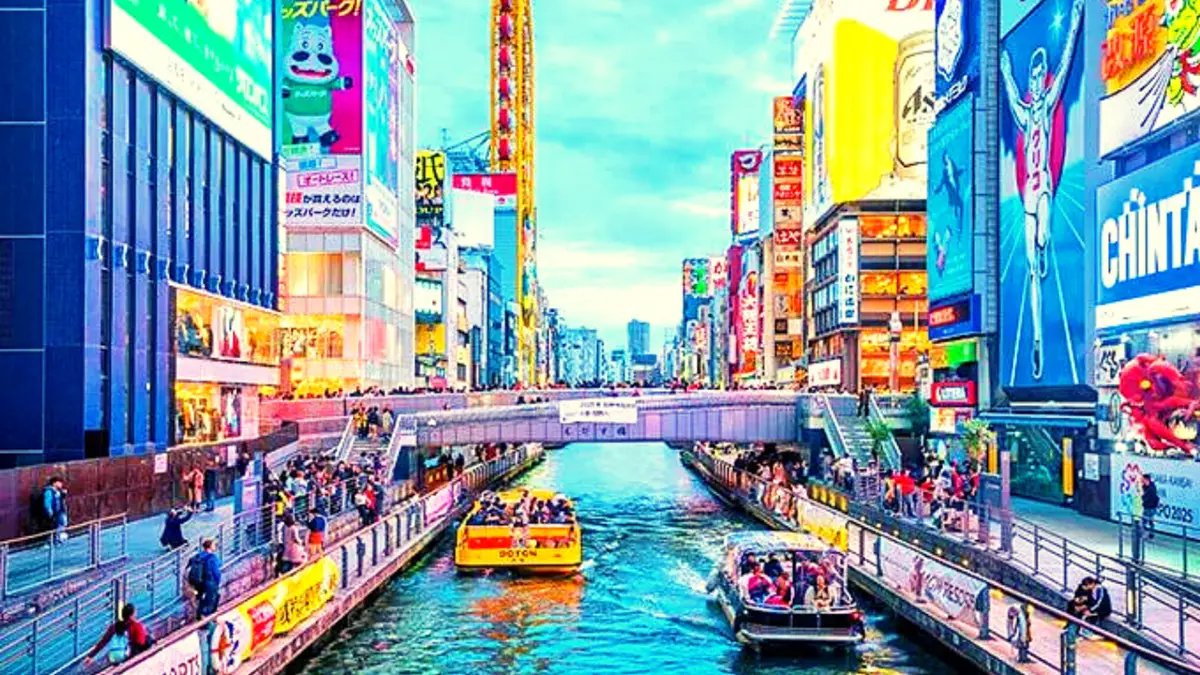
Osaka: Private or Group Hotspots & Hidden Gems Walking Tour
A three-hour walk that stretches to seven if you want it to, private or shared, with a takoyaki and a retro vending-machine drink included. The longer options use trains, which you pay for — usually under ¥1,000 a head.
Check Availability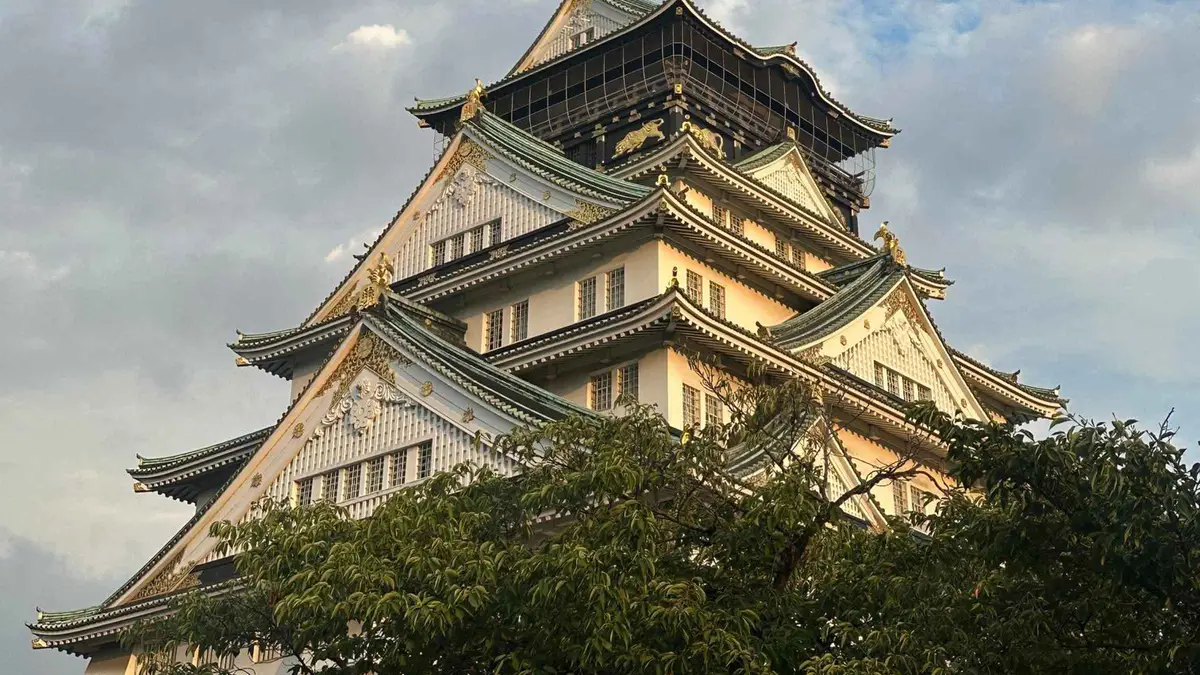 from $49.74
Osaka: Essential City Loop Tour with Local Guide
Five hours in a group of eight covering the castle, the Showa-era backstreets and the neon strip in one loop, with food bought stop by stop instead of a sit-down lunch. Only four people have rated it so far.
Check Availability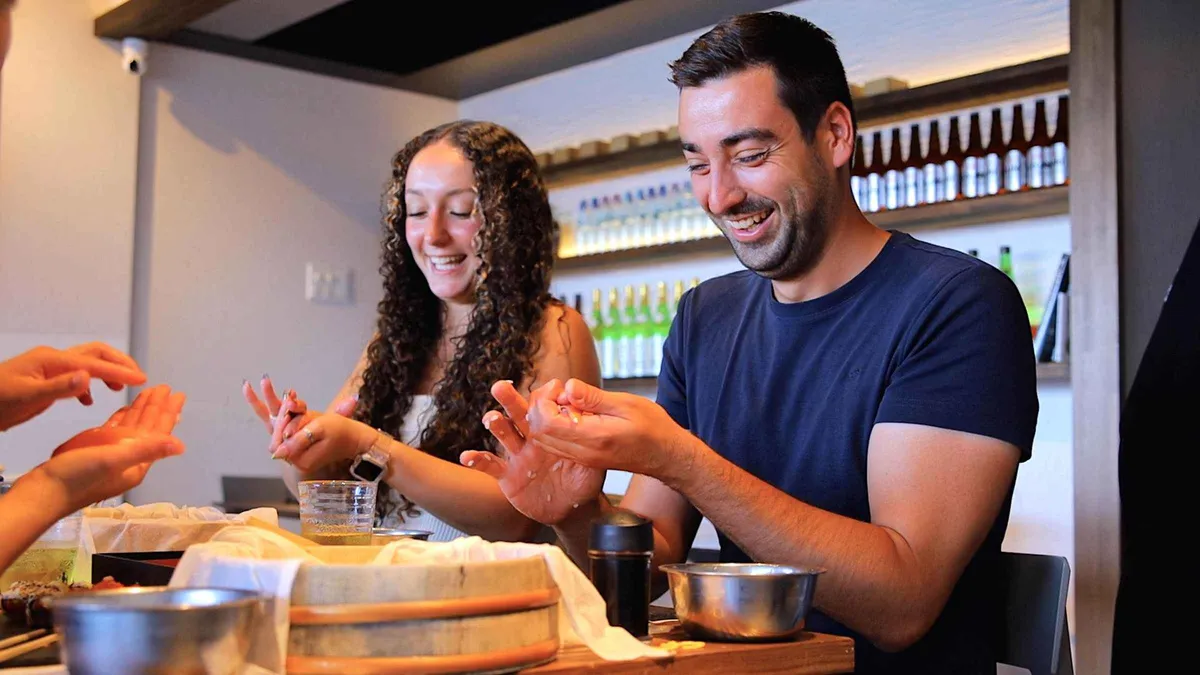 from $43.70
Osaka: Roll and Authentic Sushi Making Class in Dotonbori
A hundred minutes making rolled and hand-formed sushi in central Dotonbori, then eating it — ingredients, English instruction and the meal included. The most reviewed cooking class in this list and the cheapest of them.
Check Availability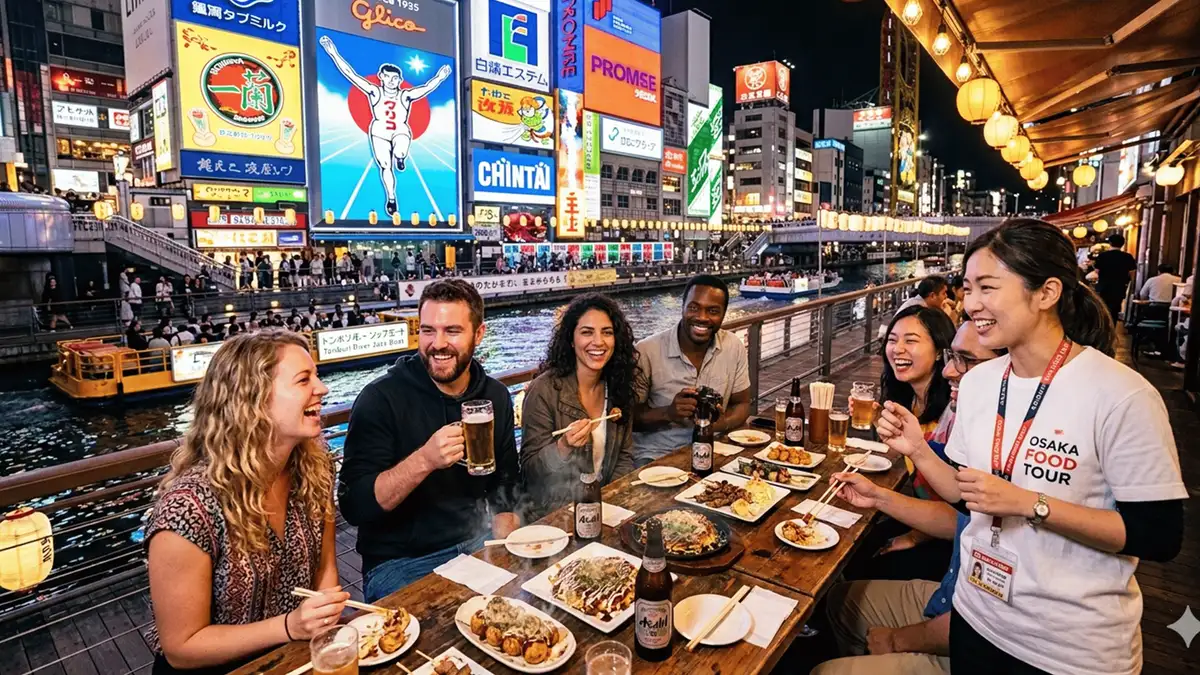 from $51.13
Osaka: Guided Food Tour with 12 Dishes and 2 drinks
Twelve dishes and two drinks in two and a half hours, taking in sake bars locals use and a street stall listed in the Michelin guide. Well rated, and among the cheaper options per dish in this group.
Check AvailabilityPrices, ratings and details are the platform's own. Dollar figures are the listed prices. The platform bills in your account's currency.
The whole of the official record, quoted
It is two sentences long, so there is no reason not to print all of it.
The association's own site describes itself as 「大阪市中央区西心斎橋地区(通称:アメリカ村)で商業を営む商店主や事業者で構成された任意団体」 — a voluntary body made up of shop owners and businesses trading in the Nishi-Shinsaibashi area of Chuo-ku, commonly known as Amerikamura. The words that matter there are 任意団体, a voluntary association. It is not a shotengai promotion union of the kind that runs the covered arcades, which is the structural reason it publishes so little: it has no shared roof, no shared arcade budget and no membership register to describe.
On origins it says only 「1970年代になって倉庫を改装した店舗でアメリカ西海岸から輸入してきた古着やジーンズ、中古レコード、雑貨が売られ始めた」 — in the 1970s, shops in converted warehouses began selling second-hand clothing, jeans, used records and sundries imported from the American West Coast. A decade, a building type and four categories of goods. No year, no founder, no first shop.
That is it. Everything else you will read — the exact year the district was born, how many shops it holds, where it starts and stops, what happens in it on a given weekend — is either somebody's estimate or somebody's memory, and this guide does not launder either into a fact.
Five things nobody publishes, and what to do about each
The absences are the most useful information on this page, because they tell you which claims elsewhere to distrust.
We searched the association's site, the Osaka Convention and Tourism Bureau's spot pages and the city's own pages. The bureau describes the canal strip, the covered arcades, the alley in the south, the market and the island — and has no English page for this district at all; the obvious slug returns a 404.
- A founding year. The association gives a decade — the 1970s — and nothing narrower. Dates you see quoted to the year come from Wikipedia and from each other.
- The boundaries. No official map exists. The district is Nishi-Shinsaibashi in the association's words, which is an administrative area rather than a drawn edge, so where the quarter stops is a matter of opinion.
- A shop count. Nobody publishes one, including the association whose members they are. Any figure in the hundreds is an estimate.
- The park. The association names no park anywhere on its site. OpenStreetMap records a small park at 34.6721 N, 135.4979 E under the common name 三角公園 — Sankaku Park, the triangle park everyone photographs — with 御津公園 as its official name; that is OpenStreetMap's record, not a city page we could open.
- An event calendar. None is published. Weekend markets and street events are real and recurring, but no authority announces them in advance, so this page cannot tell you what will be on when you arrive.
Practically, this changes one thing about how you plan. Every other district in this guide can be pinned to opening hours, a fee or a published route. This one cannot, so treat it as a browse rather than an appointment: come when you are already in Minami, give it an hour, and let what is open decide the visit.
What is on the record for each Minami district
The same three questions asked of five neighbouring districts, with the body that answers them. Sources are each association's own site and the Osaka Convention and Tourism Bureau's spot pages, all read.
| District | Origin date published | Boundary published | Who publishes it |
|---|---|---|---|
| This quarter | A decade only — the 1970s | No | Its own voluntary association; the tourism bureau has no page |
| The covered arcade east of here | About 380 years of history | Yes — Nagahori-dori to Soemoncho-dori | Tourism bureau; the street's association publishes nothing |
| The canal strip | 1612, when the river was excavated | No | Tourism bureau; the neighbouring shotengai union dates itself to 1913 |
| The market arcade | 1822 to 1823 | No — but a length, about 580 m | Tourism bureau; the market's own site is behind a bot wall |
| The alley in the south | 1903, the Fifth National Industrial Exposition | No — but a length, 130 m | Tourism bureau |
Read down the last column and the shape of Osaka's tourist information becomes clear: one organisation that owns none of these places does nearly all the describing, and where it stays silent — as it does here — there is no second source to fall back on.
What the quarter is actually for
Second-hand clothing, and a street register you will not find anywhere else in the city.
The trade the association describes — imported American vintage, denim, used records, sundries — is still the spine of the district fifty years on, and it is what makes the walk worth an hour. Racks are dense, shops are small and stacked over two or three floors of narrow buildings, and prices are set item by item with no published range anywhere, which is why this page gives none.
The honest guidance is about approach rather than addresses. Vintage denim and band shirts are the two categories the district is genuinely known for, and they are priced accordingly: this is not a bargain market, it is a curated one. The second-hand record shops are the quietest part of it and the most rewarding if that is your thing. Skate and street brands occupy the ground floors on the wider streets, and those are the same brands you can buy anywhere.
What is different here is the fabric of the place: hand-painted shutters, murals, a density of small independent operators that survives in very few central Japanese districts, and a crowd that is markedly younger than the arcade four minutes east. That contrast is the actual reason to walk between the two.
Rules, hours and the things that catch visitors out
One rule is enforced with a fine; the rest of what people expect is simply not published.
The rule with money attached applies here as it does everywhere in the city: Osaka banned street smoking across the whole municipality from Monday 27 January 2025, covering roads, squares, parks and other public places it manages, with heated tobacco included and a $6.27 (¥1,000) non-criminal fine. In a quarter where people stand around outside shops, it is the one to know.
The rule people expect — no eating while walking — is not published by this district or by any other Osaka district we checked. Kyoto's markets post one; Osaka's do not.
On hours, there is nothing to report and that is the report: no association hours, no bureau page, no closed day. In practice the second-hand shops are a late-opening trade and the district does not really start until the early afternoon, which is our observation from the videos and the shopfront signage rather than a published time. Come at midday and you will find the coffee open and half the racks still inside.
- Street smoking: ¥1,000 fine, city-wide, since 27 January 2025
- Eating while walking: no published rule, here or anywhere else in Osaka
- Hours: none published; the second-hand trade opens late rather than early
- Cash is still the faster payment in the smallest shops, as it is across the city
- Tax-free counters are a per-shop matter here — there is no district scheme
Getting there, and how it sits with everything around it
Two stations, four minutes apart, and the quarter sits between them.
Shinsaibashi Station on the Osaka Metro Midosuji and Nagahori Tsurumi-ryokuchi lines is the obvious approach: come out on the west side of Midosuji and you are in the quarter within a couple of minutes. From the Yotsubashi Line, Yotsubashi Station puts you on its western edge instead. Because no boundary is published, both approaches are equally correct, which is a genuinely strange thing to be able to write about a famous district.
Osaka Metro charges by zone — $1.19 up to 3 km, then $1.50, $1.82, $2.13 and $2.45 (¥190 · ¥240 · ¥290 · ¥340 · ¥390) — so nearly everything central is a ¥190 or ¥240 ride. Three or more rides in a day and the Enjoy Eco Card is cheaper: ¥820 on a weekday, ¥620 at weekends and public holidays, covering all Metro and Osaka City Bus lines for one calendar day. The getting-around page sets out the passes and the Amazing Pass page covers the one that bundles entries — although nothing in this quarter charges entry, so it buys you nothing here.
The walking geography is the useful part. Four minutes east across Midosuji is the covered arcade; about ten minutes south-east is the canal; the whole of Minami is walkable from here without a train, which is why this quarter works as forty-five minutes inside a bigger afternoon rather than as a destination of its own. Because this quarter works best as forty-five minutes inside a bigger afternoon, one of the best tours in Osaka can thread Amerikamura together with the rest of Minami.
| From | How | Fare | Time |
|---|---|---|---|
| Shinsaibashi Station | On foot, west across Midosuji | — | About 2 minutes |
| Yotsubashi Station | On foot, east | — | About 3 minutes |
| Namba | Midosuji Line one stop, or on foot | $1.19 (¥190) or free | 5 minutes by train, about 15 on foot |
| Umeda | Midosuji Line to Shinsaibashi | $1.50 (¥240) | About 8 minutes plus the walk |
| Three or more rides in a day | Enjoy Eco Card | ¥820 weekday / ¥620 weekend | All Metro and city buses, one calendar day |
Amerikamura map: the streets, the park and the two stations
Because no official boundary exists, this map plots the points that are actually recorded somewhere — the district point from Wikidata, the park from OpenStreetMap, the stations from their operators — rather than drawing an edge nobody publishes.
Every pin here is a published coordinate rather than our own survey. Where a district has no official map, plotting an invented outline would be the least honest thing this page could do.
Next stop from the quarter
Everything is a walk from here. Times are our estimates from the mapped distances.
The covered arcade
Cross Midosuji and you are in about 580 metres of roofed shopping street with roughly 60,000 people a day through it on a weekday and 120,000 at a weekend, on the tourism bureau's counts. It is the same afternoon and the opposite atmosphere.
About 4 minutes eastThe canal and the signs
Where the evening goes. The city walk in the cards above links the two on foot, which is the sensible order — vintage shops in daylight, the canal after dark.
About 10 minutes south-eastThe market arcade
About 150 stalls under 580 metres of roof, per the tourism bureau — although its own association site could not be read at all, so its hours are not published anywhere either.
About 15 minutes, or one stop on the Sennichimae lineThe lion-head shrine
Free, and the quietest ten minutes in Minami. The shrine publishes neither a fee nor opening hours on its own site, which the shrine page states rather than guesses around.
About 14 minutes southAmerikamura questions
Is Amerikamura worth visiting?
Yes, for an hour, if second-hand clothing, denim or records interest you at all — it is the densest concentration of them in western Japan and it costs nothing to walk. No, as a half-day plan: it is small, nothing in it is ticketed, and it works best as forty-five minutes between the covered arcade and dinner. The city walk at $35.71 treats it exactly that way.
What is Amerikamura known for?
Imported American West Coast vintage clothing, jeans, second-hand records and sundries, sold from converted warehouses since the 1970s. That is the association's own description of its origins, and it is still an accurate description of the trade. It is also the district where Osaka's street fashion is on display, which no authority documents but every visitor notices.
When was Amerikamura founded?
No founding year is published. The association gives only a decade — the 1970s — for when the converted warehouses began trading. Any specific year you see quoted comes from secondary sources rather than from the district itself, so this guide does not print one.
Where does Amerikamura begin and end?
Nobody says. The association places itself in the Nishi-Shinsaibashi area of Chuo-ku, which is an administrative district rather than a drawn boundary, and publishes no map. Practically, walk west from Midosuji at Shinsaibashi Station and you are in it; the character fades out towards Yotsubashi.
How many shops are there in Amerikamura?
Not published — not by the association whose members they are, and not by the tourism bureau, which has no English page for this district at all. Counts in the hundreds circulate widely and none of them is sourced to anybody who would know.
Is there a triangle park in Amerikamura?
There is a small park where everyone photographs one, but the association names no park anywhere on its site. OpenStreetMap records it at 34.6721 N, 135.4979 E as 三角公園 with 御津公園 as the official name — that is OpenStreetMap's record, and it is the only citable reference we could find for it.
What are Amerikamura's opening hours?
None are published for the district, and it is a set of public streets that never closes. The shops set their own and no list of them exists. The second-hand trade opens late rather than early, so a midday arrival will find part of the quarter still shuttered — that is our observation, not a published time.
Where this quarter fits in an Osaka day
It is the first half of a Minami afternoon, and it is not a destination on its own.
The sequence that works: arrive in the early afternoon when the shops are properly open, give the quarter an hour, cross Midosuji into the covered arcade for the department stores and the dry walk, then come out at the south end for the canal and dinner. That is a complete afternoon and evening on foot, with one ¥190 metro ride at either end of it.
It also rewards being combined rather than isolated for a duller reason. Because nothing here is ticketed, timed or published, there is no schedule to work around, so this is the block of the day to put your uncertainty in — the hour that can shrink to twenty minutes or stretch to two without wrecking anything else. The two-day itinerary uses it that way, and the neighbourhoods hub sets out how the Minami districts sit against each other.
Amerikamura on film: the streets, the racks and the crowd
Three walk-throughs, each id checked against YouTube's own record and its thumbnail. They are the closest thing to documentation this district has, which is itself part of the point.
Amerikamura: Osaka’s Most Iconic Street Culture Scene | Walking Tour | 4K | HDR
An uncut walk through the quarter, street by street, at shopping hour.
Video: THE JAPAN WALKretro neighborhoods in osaka: amerikamura & nakazakicho | osaka vlog
The second-hand shops from inside, and the comparison with the other retro quarter north of the river.
Video: a time long pastOsaka Evening Walk – Orange Street to Amerikamura & Shinsaibashi | Japan Walking Tour | 4K HDR
The walk this page recommends — the quarter, then east across Midosuji — filmed end to end.
Video: THE JAPAN WALKVideos load from YouTube only when you press play.
Prices, hours and terms are set by the venue or operator and confirmed at checkout.
We may earn a commission if you book through one of our links, at no extra cost to you. Full affiliate disclosure