 Osaka City Guide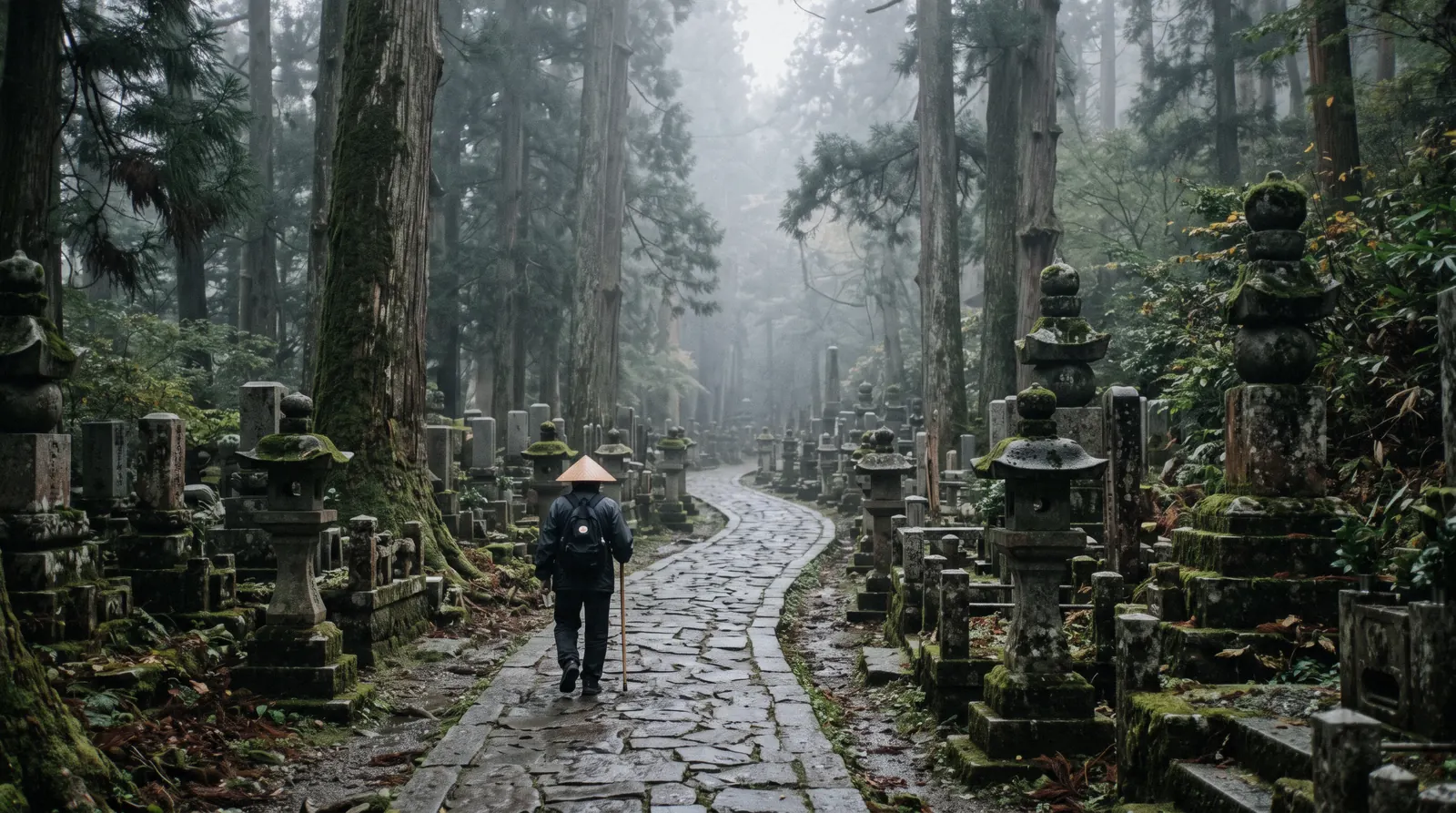
Koyasan From Osaka
Koyasan from Osaka is the trip this guide is least able to sell you and most willing to explain. It is a monastic town on a wooded plateau in Wakayama, founded by Kukai in the ninth century, reached from Namba by a single railway that climbs, hands you to a cable car and then to a bus; it holds 117 temples, the mausoleum at the end of a two-kilometre cemetery avenue, and the reason Nankai prints a combined ticket for it at all. No operator listed on this site runs a Koyasan trip — that is stated here rather than papered over — so this page prices the journey the way you will actually buy it, at a station counter, and then says plainly what a single day does and does not buy on the mountain. The rest of the escapes are on the day trips hub; the city itself starts with things to do in Osaka.
Quick answer One ticket, two days of validity, and why one day is the wrong plan
Koyasan is a two-day trip that most people attempt in one. Nankai sells the ticket that makes it work — the Koyasan World Heritage Ticket, ¥4,210 for an adult and ¥2,110 for a child from Namba, or ¥5,200 and ¥2,600 with a one-way Limited Express Koya seat added — and it is valid for two consecutive days, which is the operator's own hint. The journey is about 1 hour 20 minutes from Namba to Gokurakubashi on the Limited Express Koya, then the cable car and a bus onto the plateau, so a single day costs you roughly four hours of travelling for five hours on the mountain. Ticket, price and validity from Nankai's own page; temple prices from Kongobuji's fee page the same day. Yen converts at ¥1,000 to about $6.27, the European Central Bank reference rate that day.
Key takeaways
- No operator on this site sells a Koyasan trip. You buy the ticket at a Nankai station counter and travel independently — what the ticket includes is the whole product
- The temples charge separately: Kongobuji $6.27 (¥1,000), the Reihokan $8.15 (¥1,300), and a combined ticket at $15.68 (¥2,500) that saves exactly $1.25 (¥200) — the arithmetic is here
- Okunoin costs nothing and is the thing to protect in your timings; the two-kilometre avenue of cedars and memorials is the reason to come, not the halls
- If a long guided day out of Osaka is what you actually want, the trips that exist here go to Hiroshima and Miyajima — say so plainly rather than pretend
Key facts
Opening hours
| Kongobuji, all year | 08:30–17:00 |
|---|---|
| Kondo and Konpon Daito, Danjo Garan | 08:30–17:00 |
| Reihokan museum | 09:00–17:00 |
| Tokugawa mausoleum | 09:00–16:30 |
| Okunoin Torodo, the lantern hall | 06:00–17:00 |
Closed None published for the temples. The Reihokan closes over the new year and for occasional exhibition changeovers, which it posts itself. Reception at Kongobuji, the Kondo and the Daito stops at 16:30, at the Tokugawa mausoleum at 16:10, and at the Reihokan 30 minutes before closing
Admission
- Adult
- Kongobuji $6.27 (¥1,000); Kondo $3.14 (¥500) and Konpon Daito $3.14 (¥500); Reihokan $8.15 (¥1,300); the temple's combined ticket for five sites $15.68 (¥2,500)
- Reduced
- Kongobuji $1.88 (¥300) for elementary pupils; Reihokan $5.02 (¥800) high school and university, $3.76 (¥600) elementary and junior high; Kondo, Daito and the Tokugawa mausoleum free below junior-high age
- Free
- Okunoin and its cemetery avenue, the Nyonindo, and the grounds of the Danjo Garan outside the two paying halls
Planning it
- Time needed
- Not stated by the temples; our routing: about five hours on the mountain for Okunoin, the Danjo Garan and Kongobuji, against four hours of travelling from Namba and back
- Book ahead
- Optional — walk-up usually fine
- Address
- Koyasan, Koya-cho, Ito-gun, Wakayama Prefecture (Kongobuji, telephone 0736-56-2011)
Four official counters take money on this trip and no reseller sits between you and any of them, so every row below is a plain link to the operator's own page, read on in Q3 2026. The rail ticket is the one to buy before you travel; the temple tickets are bought on the mountain, in cash or by card at each gate.
One question decides this page: what do you buy before you leave Osaka, and what do you buy on the mountain? The Nankai World Heritage Ticket at $26.40 (¥4,210) covers the rail and the buses; every temple row below is paid at its own gate.
| Option | What it costs | What it covers | Where you buy it | Book |
|---|---|---|---|---|
| Nankai Koyasan World Heritage TicketEveryone travelling from Namba — discounted rail, two days of mountain buses, gate coupons | $26.40 adult / $13.23 child (¥4,210 / ¥2,110); $32.60 (¥5,200) / $16.30 (¥2,600) with a one-way Limited Express Koya seat | Discounted return rail from Namba to Koyasan station, a two-day free pass on Nankai Rinkan buses on the mountain, and discount coupons for Kongobuji, the Kondo, the Konpon Daito and the Reihokan | Nankai station counters — Namba, Shin-Imamiya, Tengachaya, Sakai, Kansai Airport and others | Official site |
| Kongobuji combined ticket, five sitesAnyone taking in more than two of the five sites, from junior-high age up | $15.68 (¥2,500), junior-high age and above only | Kongobuji, the Kondo, the Konpon Daito, the Tokugawa mausoleum and the Jukai precept ceremony at the Daishi Kyokai | Any of the five gates | Official site |
| Kongobuji on its ownA short visit that wants the head temple, its screens and the rock garden only | $6.27 adult, $1.88 elementary (¥1,000 / ¥300) | The head temple, its screens and the rock garden; 08:30–17:00, reception to 16:30 | The temple gate | Official site |
| Reihokan museumVisitors who came for the National Treasures; World Heritage Ticket holders save ¥200 | $8.15 general, $5.02 high school and university, $3.76 elementary and junior high (¥1,300 · ¥800 · ¥600) | The treasure house holding the mountain's National Treasures; 09:00–17:00, last entry 16:30 | The museum, which gives ¥200 off to World Heritage Ticket holders | Official site |
Nankai's prices are from its Japanese ticket page — the English digital version renders its price by script and our fetch could not read it. Temple prices from koyasan.or.jp and reihokan.or.jp.
The Day, Leg by Leg, and Where It Runs Out
The times below are Nankai's own for the rail legs and the operator's published hours for the temples; the walking and viewing times are ours and are labelled as such. Set against a 09:00 departure from Namba, they show why the mountain wants an overnight rather than a dash.
| Leg | Time | What it costs on the World Heritage Ticket | Note |
|---|---|---|---|
| Namba → Gokurakubashi, Limited Express Koya | About 1 hour 20 minutes | Included; the reserved seat is the $6.21 (¥990) upgrade | All seats reserved; the Express takes longer and needs no reservation |
| Gokurakubashi → Koyasan by cable car | Minutes, on a continuous shuttle | Included in the rail ticket | The steepest section; two 400 kW winders do the lifting |
| Koyasan station → Senjuinbashi, the town centre, by Rinkan bus | About 10–15 minutes (our estimate from the timetable) | Free with the two-day bus pass | Walking down from the station is discouraged; the road has no footway |
| Okunoin: Ichinohashi to the Torodo and back | About 2 hours at a slow pace (our estimate) | Free — no admission at any point | The Torodo opens 06:00–17:00; prayer reception 08:30–16:30 |
| Danjo Garan, Kongobuji and the Reihokan | About 2.5 hours (our estimate) | $15.68 (¥2,500) combined, or $6.27 (¥1,000) for Kongobuji alone | Every reception on the mountain closes between 16:10 and 16:30 |
Rail timings from Nankai's Limited Express Koya page and its Kansai Airport station guide, which also gives KIX to Koyasan as about 1 hour 20 minutes by Limited Express Koya and about 1 hour 30 minutes by Rapid Express. Bus and viewing times are our own estimates and are not published figures.
Guided Day Trips Sold From Osaka — None of Them Go to Koyasan
This is the honest version of a tour block. The GetYourGuide inventory we compare on this site contains no Koyasan trip at all: the long guided days out of Osaka go west to Hiroshima and Miyajima, or stay near the city. They are listed here because "what else could I do with that day?" is the real question once the mountain's timings sink in, and because nothing here should imply an operator we do not have. Prices are the platform's listed USD figures.
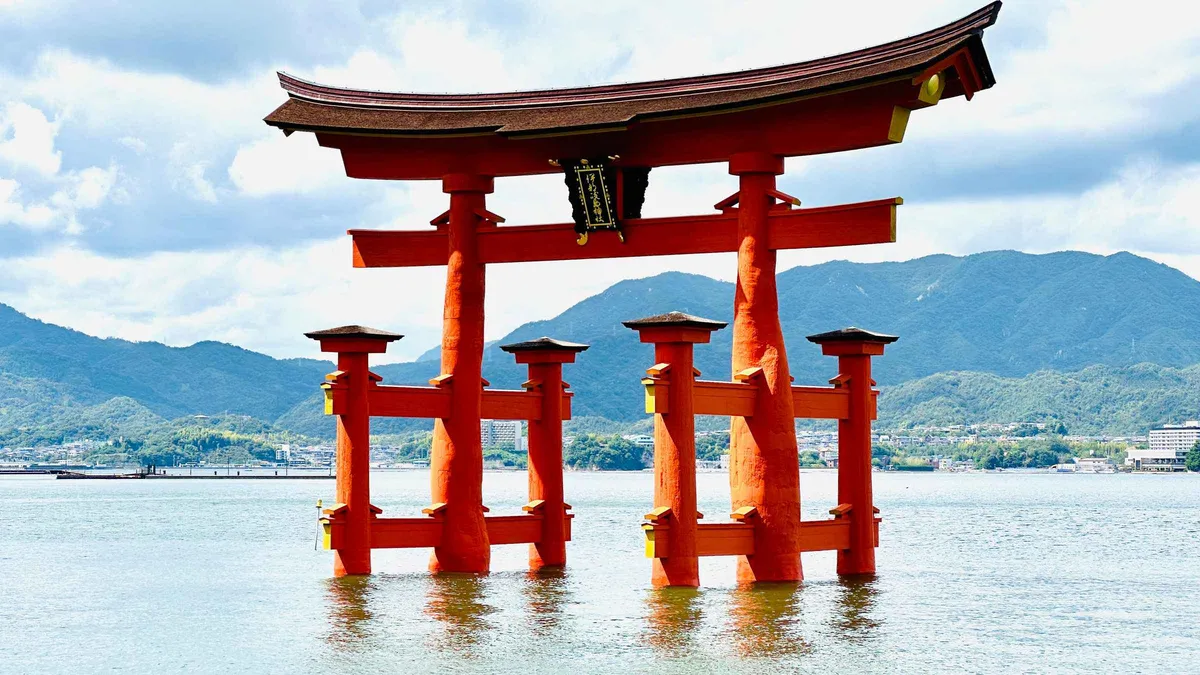 from $95.20
From Osaka: Hiroshima and Miyajima Day Trip by Bullet Train
Round-trip Shinkansen, the Miyajima ferry, Itsukushima Shrine admission and lunch, with a guide working in Spanish and English. Eight to eleven and a half hours depending on the option, at about a third of what the H.I.S. version costs.
Check Availability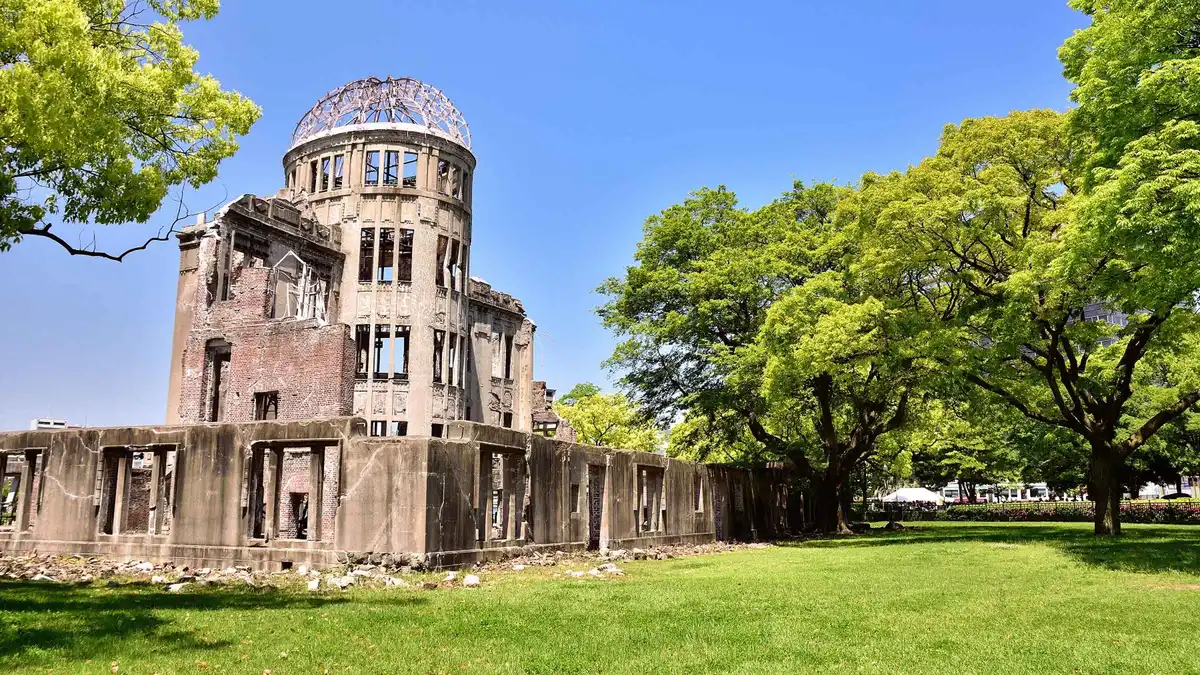 from $268.43
Osaka/Kyoto: Hiroshima Miyajima Bus Tour & Shinkansen Ticket
Twelve hours with the Shinkansen both ways, a coach on the ground, the Peace Memorial Museum ticket, the ferry, Itsukushima entry and an okonomiyaki lunch. It costs nearly three times the Amigo trip; the museum entry and the coach are what you get for it.
Check Availability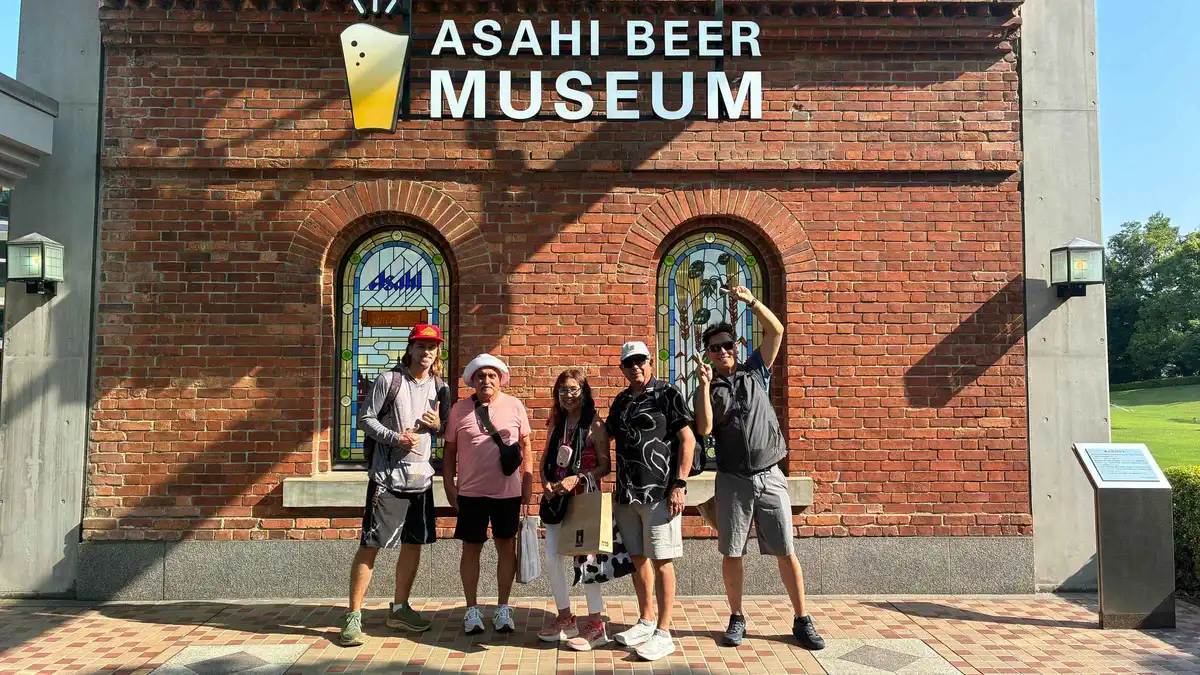 from $74.91
Osaka: Asahi Beer Brewery Tour with Beer Tasting
A 60-minute audio-guided walk through the Suita brewery, a 30-minute tasting of two beers with snacks, the VR ride and a souvenir glass. Transport to the brewery is not included, and the listing carries a single review so far.
Check AvailabilityPrices, ratings and details are the platform's own. Dollar figures are the listed prices. The platform bills in your account's currency.
The Koyasan World Heritage Ticket, Line by Line
One ticket does the rail, the cable car and the buses, and it is the only pass on this site whose validity tells you how long the trip should be.
From Namba the ticket costs ¥4,210 for an adult and ¥2,110 for a child — about $26.40 and $13.23. Adding a one-way reserved seat on the Limited Express Koya lifts it to ¥5,200 and ¥2,600, and that upgrade covers the outward leg only: the way home is on an ordinary Express unless you buy another limited-express ticket on the day. It is on sale all year, from a month before travel, and the departure and arrival stations are fixed when you buy — break the journey somewhere en route and the remainder is void.
| Inside the ticket | Detail |
|---|---|
| Return rail | Discounted round trip between your chosen Nankai station and Koyasan station, cable car included |
| Bus pass | Two days of free travel on Nankai Rinkan buses on the mountain |
| Bus lines excluded | The Tateri, Koya-Ryujin and Kyoto-Koyasan services |
| Discount coupons | Kongobuji, the Kondo, the Konpon Daito and the Reihokan, plus three shops |
| Validity | Two consecutive days from the start date |
| Refund | Only while every coupon is unused and inside the validity, at the counter that sold it, with a ¥520 fee |
Two details are worth the emphasis. The bus pass is the part that quietly earns its keep: the mountain is four kilometres end to end, Okunoin sits at one end and the Danjo Garan at the other, and the Rinkan buses are what stitch the day together — Nankai publishes those fares only through a search our fetch could not drive, so this page prints no figure for a single ride and simply notes that the pass makes it moot. And the coupons are discounts, not entries: the Reihokan states its own reduction as ¥200 for World Heritage Ticket holders, while Kongobuji's fee page prints no discounted figure at all, so budget the full ¥1,000 and treat any reduction as a bonus at the window.
Where the ticket is sold, and what it is not
Counters at Namba, Shin-Imamiya, Tengachaya, Sakai, Kansai Airport and around twenty other stations sell it, in cash or by card, with some travel agencies handling specific departure points. It is not a JR product and no JR pass covers this line — the Nankai Koya Line is private from Namba to Gokurakubashi, which is the single most common misunderstanding in the search results for this trip. A digital version exists on Nankai's English site with the same contents; its price is rendered by script and our fetch could not read it, so the figures on this page are the paper ticket's.
What the Temples Charge, and the ¥200 Question
Kongobuji publishes one fee table for the whole complex, and it repays two minutes of arithmetic.
Bought separately, the paying sites come to ¥1,000 for Kongobuji, ¥500 for the Kondo, ¥500 for the Konpon Daito, ¥200 for the Tokugawa mausoleum and ¥500 for the Jukai precept ceremony at the Daishi Kyokai — ¥2,700 in all. The combined ticket for exactly those five is ¥2,500. The saving is ¥200, about $1.25, and it only exists if you genuinely intend to do all five, including a precept ceremony that many visitors would not otherwise sit through.
Buy the combined ticket if the mausoleum and the ceremony are on your list; otherwise pay for the two or three you actually want.
| Site | Adult | Child | Hours |
|---|---|---|---|
| Kongobuji | $6.27 (¥1,000) | ¥300 elementary | 08:30–17:00, reception to 16:30 |
| Kondo, Danjo Garan | $3.14 (¥500) | Free below junior high | 08:30–17:00, reception to 16:30 |
| Konpon Daito | $3.14 (¥500) | Free below junior high | 08:30–17:00, reception to 16:30 |
| Tokugawa mausoleum | $1.25 (¥200) | Free below junior high | 09:00–16:30, reception to 16:10 |
| Reihokan museum | $8.15 (¥1,300) | ¥800 / ¥600 | 09:00–17:00, last entry 16:30 |
| Combined ticket, five sites | $15.68 (¥2,500) | Junior high and above only | Sold at each of the five gates |
The Reihokan sits outside that combined ticket at ¥1,300, with ¥800 for high-school and university students on production of a card and ¥600 for elementary and junior-high pupils; groups of twenty or more take ¥100 off the general rate. It closes over the new year and for exhibition changeovers, which it announces itself — the one place on the mountain where checking before you climb is worth the minute. Kongobuji also publishes group reductions of 10, 20 and 30 per cent at twenty, fifty and a hundred people, and free entry for a disability-certificate holder and one companion.
What costs nothing
Okunoin, which is the reason most people remember the trip: the two-kilometre avenue from Ichinohashi to the Torodo, its two hundred thousand memorials under cedars three and four centuries old, and the lantern hall itself, open 06:00 to 17:00 with prayer reception between 08:30 and 16:30. The Nyonindo, the hall where women were made to stop until 1872, is free as well, and so are the Danjo Garan grounds outside the two ticketed halls. A visitor who pays nothing at all on this mountain has still seen the best of it.
Can You Do Koyasan as a Day Trip? The Honest Answer
Yes, mechanically. The question is what the day contains once the timetable has taken its share.
Namba to the plateau is about 1 hour 20 minutes of railway, plus the cable car and a bus — call it a fraction under two hours door to town, and the same coming back. Leave Namba at 09:00 and you are at Senjuinbashi around 11:00; leave the mountain at 17:00, which is when every reception has already shut, and you are back in the city by 19:00. That is six hours on the plateau, of which Okunoin at a proper pace takes two and the Garan-and-Kongobuji cluster another two and a half.
It fits. What it does not fit is the part people actually travel for: the morning fire ritual, the cemetery under lanterns after dark, and the shojin ryori dinner at a temple lodging.
This is why Nankai's ticket runs two consecutive days rather than one, and why the same operator's page presents Koyasan as an overnight. The mountain has more than fifty temple lodgings, and a night in one is the difference between a long day out and the trip you will describe to people later. The site does not book lodging and does not pretend to; if you want the shortest honest version, take the first Limited Express of the morning, do Okunoin before lunch while the coaches are still at the Garan, and accept that you are seeing half of it.
If you only have one day and want it to feel worth it
Do the mountain in this order: bus straight past the town to Okunoin-mae, walk the avenue back towards Ichinohashi with the light behind you, ride to the Garan for Kongobuji before its 16:30 reception, and skip the Reihokan unless a National Treasure exhibition is running. That sequence puts the free thing first and the closing times last, which is the opposite of what most itineraries do. If the day is really about a big guided outing rather than about Koyasan itself, the Hiroshima and Miyajima trip delivers a comparable distance with the ticketing handled for you.
The Trains, and What Changed in March 2026
The Koya Line runs from Namba through Shin-Imamiya, Tengachaya, Sakai-higashi, Kongo, Kawachinagano, Rinkan-den-entoshi and Hashimoto to Gokurakubashi, where the cable car takes over. The Limited Express Koya is all-reserved and covers Namba to Gokurakubashi in about 1 hour 20 minutes; the ordinary Express costs nothing extra, takes longer and needs no reservation, which for a family of four is a meaningful choice rather than a small one. Nankai's Kansai Airport station guide gives the airport as about 1 hour 20 minutes from Koyasan by Limited Express Koya and about 1 hour 30 minutes by Rapid Express, so arriving passengers can go straight up without touching central Osaka — the airport transfer page covers the same routes into the city.
Nankai revised the Koya Line timetable on 28 March 2026. The changes that matter to a visitor are a new sightseeing service, GRAN Tenku, on its own path up the mountain, extra Limited Express Rinkan departures in the weekday morning peak, and a review of evening frequencies out of Namba after 19:00 along with the car counts on some services. None of it changes the ticket or the journey time materially, but any timetable printed before that date — including most of the blogs ranking for this trip — is out of date.
The cable car, and why closures matter here
The funicular between Gokurakubashi and Koyasan is a single link with no alternative road service of its own; when Nankai renews the haul rope it runs substitute buses from Hashimoto instead, as it did over three days in December 2025. Nothing of the kind is posted for the coming season, but this is the one leg of the journey where a notice on the operator's site is worth thirty seconds before you set out, because a replacement bus adds an hour to each direction.
What Is Actually Up There
Three places carry the day, and they are strung along four kilometres of plateau at about 800 metres.
Okunoin is the eastern end: the mausoleum of Kukai, whom the Shingon school holds to be in eternal meditation rather than dead, approached along an avenue of cedars lined with the graves and memorials of feudal lords, corporate founders and, in one celebrated case, a company's exterminated termites. It is free, it takes two hours to do slowly, and it is the single strongest argument for staying the night, because after dark the lanterns take over from the daylight and the coach parties are gone.
The Danjo Garan is the western end and the ritual centre: the vermilion Konpon Daito, the Kondo hall beside it, and a courtyard that has burned and been rebuilt more times than the guides bother to list. Both halls charge ¥500 and the grounds cost nothing, so a visitor short of time can walk the courtyard, look up at the pagoda and move on. Kongobuji, five minutes east, is the head temple of the whole Shingon sect, with painted screens, the largest rock garden in Japan and, in the ticket price, a cup of tea that most people miss because it is served in a room at the end of the corridor.
And the thing people forget to book
Temple lodging. More than fifty shukubo take guests, dinner is the vegetarian shojin ryori, and morning prayers start early enough that a day-tripper cannot attend them. This page prices no lodging — we do not sell it and the rates move — but if the trip is going to happen at all, that is the reservation that determines whether the mountain gets its due.
The where to stay page covers the Osaka end of the same question.
Koyasan Map: Where the Cable Car Leaves You and What Is Where
The plateau end to end, from the cable-car station down to Okunoin. Temple coordinates are from OpenStreetMap; the mountain's own centre point is the Wikidata entry for Mount Koya.
Other Ways Out of Osaka That Day
Koyasan is the longest and the quietest of the trips in this guide. These are the three it is most often weighed against, with the fares from each page.
Minoo Falls
The opposite trip in every way: ¥280 each way, no ticket, a 2.7-kilometre walk to a 33-metre waterfall. When Koyasan's four hours of travelling look like too much, Minoo is the half day that costs nothing at the gate.
26 minutes from UmedaThe day trips hub
Every destination this guide covers, with the fare and the journey time side by side — useful for seeing how far Koyasan sits from the rest of the field on both counts.
Kyoto, Nara, Kobe, HimejiThings to do in Osaka
If the mountain has to wait for a longer trip, the city list is where the day goes instead, and the tickets hub prices what each of those entries actually costs.
In the cityKoyasan From Osaka: Questions
Can you do Koyasan as a day trip from Osaka?
Mechanically yes, and the ticket that gets you there is valid for two days precisely because the operator expects otherwise. From a 09:00 departure at Namba you get about six hours on the plateau, enough for Okunoin and the Danjo Garan cluster but not for the morning ritual, the lantern-lit cemetery after dark or a temple dinner. The honest answer sets out the timings; the compressed version is: go early, do Okunoin first, skip the museum.
Is the Koyasan World Heritage Ticket worth it?
For anyone travelling from Namba, yes, and mainly for the bus pass rather than the rail discount: two days of free travel on the Rinkan buses is what makes a four-kilometre plateau workable. It costs ¥4,210 for an adult, ¥5,200 with a reserved Limited Express seat outbound, and it refunds only while every coupon is unused, with a ¥520 fee. The line-by-line breakdown covers the exclusions.
Does a JR pass cover Osaka to Koyasan?
No. The Koya Line is Nankai's, a private railway from Namba to Gokurakubashi, and no Japan Rail pass touches it. This is the most common error in the search results for the trip. Buy the World Heritage Ticket at a Nankai counter — Namba, Shin-Imamiya, Tengachaya, Sakai, Kansai Airport and around twenty other stations sell it, in cash or by card.
How long should I spend on Mount Koya?
One night if you can, one long day if you cannot. Okunoin alone takes about two hours at the pace it deserves, the Garan and Kongobuji another two and a half, and every reception on the mountain shuts between 16:10 and 16:30 — so the second half of the afternoon is quieter but also closing. The leg-by-leg table shows where a single day runs out.
How much do the temples cost once you are up there?
Kongobuji ¥1,000, the Kondo ¥500, the Konpon Daito ¥500, the Tokugawa mausoleum ¥200 and the Reihokan ¥1,300. The temple's combined ticket covers five of those for ¥2,500 against ¥2,700 bought separately — a ¥200 saving that only pays if you also sit the precept ceremony. Okunoin, the Nyonindo and the Garan grounds are free. The full table has the hours as well.
Is there a bus from Osaka to Koyasan?
Not as a practical route for a visitor: the mountain is served from Osaka by the Nankai Koya Line and its cable car, and the Rinkan buses run on the plateau itself rather than up from the city. Two of the bus services on the mountain — the Koya-Ryujin and Kyoto-Koyasan routes, plus the Tateri line — are specifically excluded from the ticket's free pass, which is worth knowing before you board one.
Is Koyasan worth going to from Osaka?
If you want the one place in the Kansai region that is neither a city sight nor a castle, yes. It is a working monastic town where the central attraction — the cemetery avenue at Okunoin — costs nothing and takes two hours. If your day is really about volume, it is the wrong choice: four hours of travelling buys three sights. What is actually up there is the fairest way to judge it.
Our Call on Koyasan From Osaka
Go for two days or do not go at all — that is the position this page takes, and the operator's own two-day ticket is the evidence for it. Buy the ¥4,210 World Heritage Ticket at the Namba counter, take the reserved seat outbound if the ¥990 upgrade buys you a calmer start, and book a temple lodging before you book anything else, because that reservation is the whole difference between the trip and a commute. On the mountain, pay for Kongobuji, look up at the Konpon Daito from the free courtyard, and spend the saved hour walking Okunoin twice — once in daylight, once after the lanterns come on.
If two days are not available, be honest about what one buys and choose accordingly: Okunoin before lunch, Kongobuji before its 16:30 reception, nothing else. And if the real want was a long, easy, guided day out of Osaka with the tickets handled, the trips that exist here run west instead — the bullet-train day to Hiroshima and Miyajima is the one we would take. The other escapes, with their fares, are on the day trips hub, and the practical side of moving around the region is on the getting around page.
Koyasan on Film: the Climb, the Cemetery and the Overnight
Three films that answer what photographs cannot: how long the journey feels, what Okunoin looks like when the lanterns are on, and what a night in a temple lodging actually involves.
Koyasan | Overnight Trip From Osaka
The two-day version this page recommends, including the temple lodging and morning prayers.
Video: Japan GuideKoyasan 1-day Itinerary: the way from Namba to Koyasan
The single-day attempt, filmed leg by leg from Namba — useful for judging the timings yourself.
Video: Shiba-Shiba / Trains in JapanOsaka Side Trip to Mt. Koya
An overview of the mountain's three main sites and how they sit along the plateau.
Video: Japan GuideVideos load from YouTube only when you press play.
Prices, hours and terms are set by the venue or operator and confirmed at checkout.
We may earn a commission if you book through one of our links, at no extra cost to you. Full affiliate disclosure