 Osaka City Guide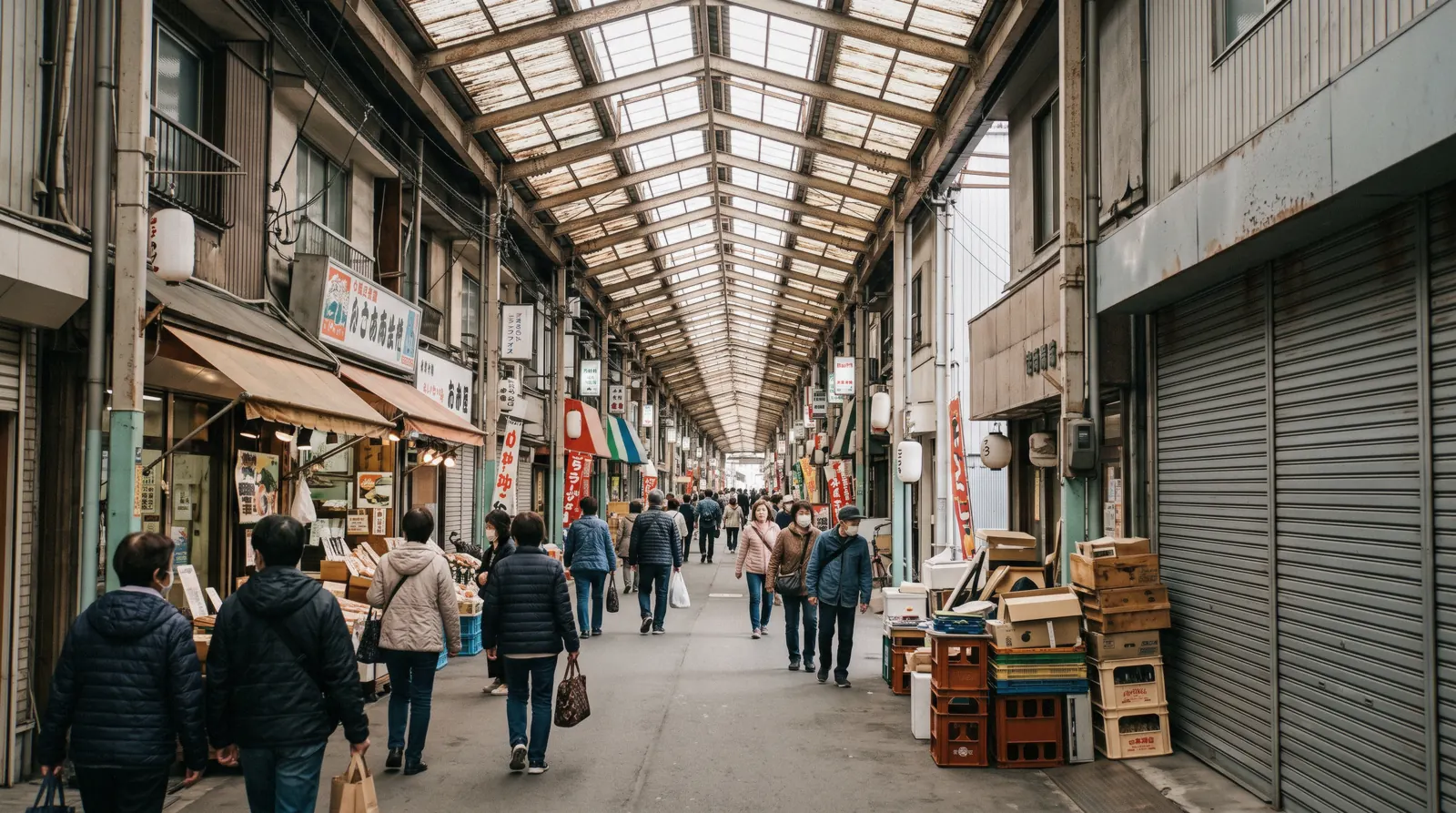
Tenjinbashisuji
Tenjinbashisuji is the covered shopping street that runs north from Osaka Tenmangu through Tenjinbashi 1 to 7 chome in Kita-ku — about 2.6 kilometres of it, with about 800 shops, on the Osaka Convention and Tourism Bureau's published figures. It is also the street everybody calls the longest shopping street in Japan, and the honest part of this page is that no public authority certifies that. What exists is the tourism bureau repeating the claim, the street's own website covering two of its seven blocks, and a private records register giving 2.6 km with no certification date attached. This page prints that provenance, then gets on with how to actually walk it. For the rest of the city, see things to do in Osaka. Yen first, with dollar approximations at ¥1,000 = about $6.27 (European Central Bank reference rate via frankfurter.dev).
Quick answer 2.6 km, about 800 shops, and nobody official certifying the record
Tenjinbashisuji runs about 2.6 kilometres through Tenjinbashi 1 to 7 chome in Kita-ku and holds about 800 shops, on the Osaka Convention and Tourism Bureau's figures. It is free, covered for most of its length, and has no street-wide opening time: the bureau's own line is that business hours vary by shop and closed days vary by shop. Source: the bureau's spot page.
Key takeaways
- The famous claim has no public certifier. The bureau repeats it, the street's own site asserts it while covering only two of the seven blocks, and a private register lists 2.6 km with no certification date — the whole provenance is in the table below
- Walking it end to end is about 35 minutes without stopping — our arithmetic on the bureau's own 2.6 km, not a published time — and three subway stations plus a JR station let you join or bail at any point
- It grew as the gate-town of Osaka Tenmangu, whose Tenjin Matsuri falls on 24 and 25 July 2026 and turns the southern blocks into the middle of a festival
- For eating, the MICHELIN 2026 selection puts a Bib Gourmand udon house at 3-8-3 Tenjimbashi and describes the street in its own entry — the food page explains why no takoyaki or okonomiyaki shop anywhere in Osaka is named on this site
Key facts
Opening hours
| The street itself, all year | Open at all hours–No closing time |
|---|---|
| The shops | Vary by shop–Vary by shop — the bureau publishes no common time |
Closed Closed days vary by shop, in the tourism bureau's own words; no street-wide closed day is published
Admission
- Adult
- Free to walk
- Reduced
- Not applicable
- Free
- The whole 2.6 kilometres, at any hour
Planning it
- Time needed
- Not stated by anybody; our estimate: about 35 minutes to walk the 2.6 km without stopping, two hours with shops and lunch
- Book ahead
- Optional — walk-up usually fine
- Address
- Tenjinbashi 1–7 chome, Kita-ku, Osaka 530-0041 — Osaka Metro Sakaisuji Line at Minamimorimachi, Ogimachi and Tenjinbashisuji-rokuchome, or the JR Osaka Loop Line at Temma
Nothing along this street is ticketed, so what is compared here is walking it yourself against the guided city walks that pass nearby. Street figures are the tourism bureau's and the street's own site; tour prices are GetYourGuide's listings, all read on in Q3 2026.
All 2.6 kilometres are free to walk, so the question is whether a guide is worth $35.71 and up — and none of these walks is about this street alone.
| Option | Price | What it covers | Cancel | Book |
|---|---|---|---|---|
| Walk it yourselfAnyone shopping; about 800 shops, open at any hour, with no ticket anywhere | Free; you pay only for what you buy | About 2.6 km and about 800 shops, open at any hour — although the street's own site covers only the 2-chome and 3-chome blocks | Not applicable | Official site |
| City walking tour, 3 to 7 hours, private or sharedA first visit that wants the markets, backstreets and retro quarters connected | From $35.71 | Markets, backstreets and the retro quarters; the longer options add train rides you pay for | Free up to 24 hours before | Check Availability |
| City loop tour, 5 hours, small groupPeople who want the castle and the neon strip in the same five-hour loop | From $49.74 | The castle, the Showa-era backstreets and the neon strip in one loop, food bought stop by stop | Free up to 24 hours before | Check Availability |
| Guided food walk, 12 dishes and 2 drinks, 2.5 hoursVisitors who came to eat, in the southern districts rather than here | From $51.13 | Sake bars locals use and a stall from the Michelin guide, in the southern eating districts | Free up to 24 hours before | Check Availability |
Be straight about this: no operator in our catalogue sells a tour routed along this street. The three above are the city walks and the food walk whose published routes come nearest, and they are here so that a reader who wants a guide has a real option rather than a pretend one. Walking the street costs nothing and needs nobody.
Guided walks nearest to this street
None of these is a tour of this arcade — no operator sells one, and we would rather say so than imply otherwise. Prices are the platform's own listings in US dollars; the operator bills in your account's currency at checkout.
 from $35.71
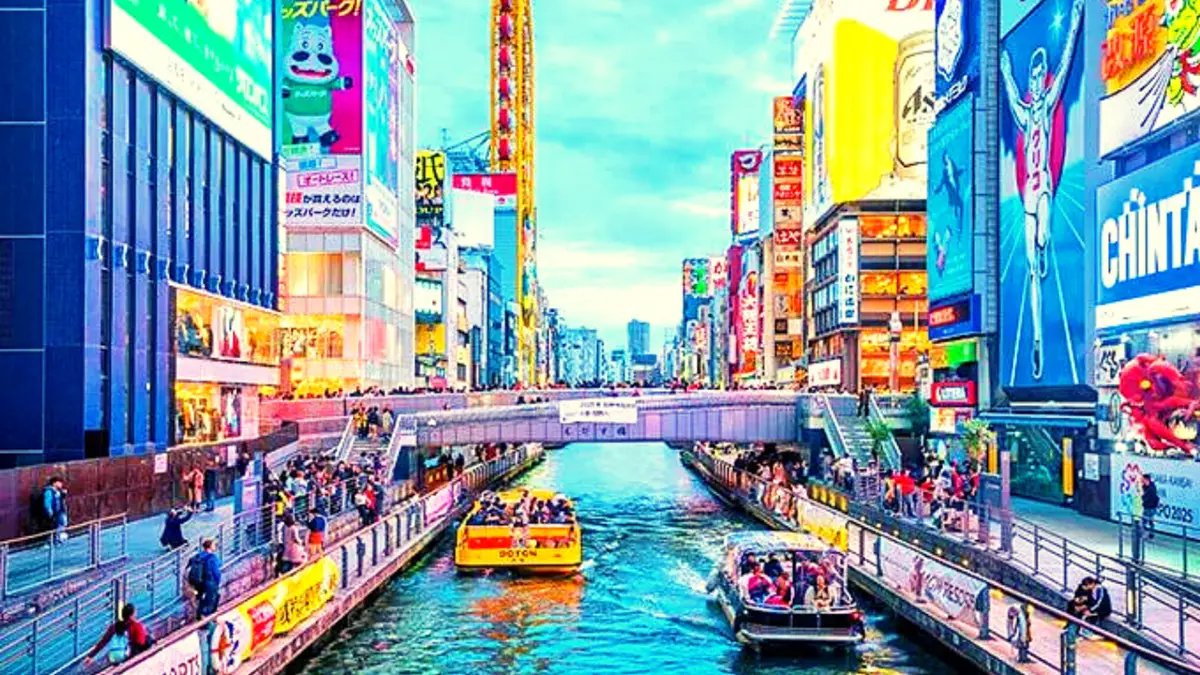
Osaka: Private or Group Hotspots & Hidden Gems Walking Tour
A three-hour walk that stretches to seven if you want it to, private or shared, with a takoyaki and a retro vending-machine drink included. The longer options use trains, which you pay for — usually under ¥1,000 a head.
Check Availability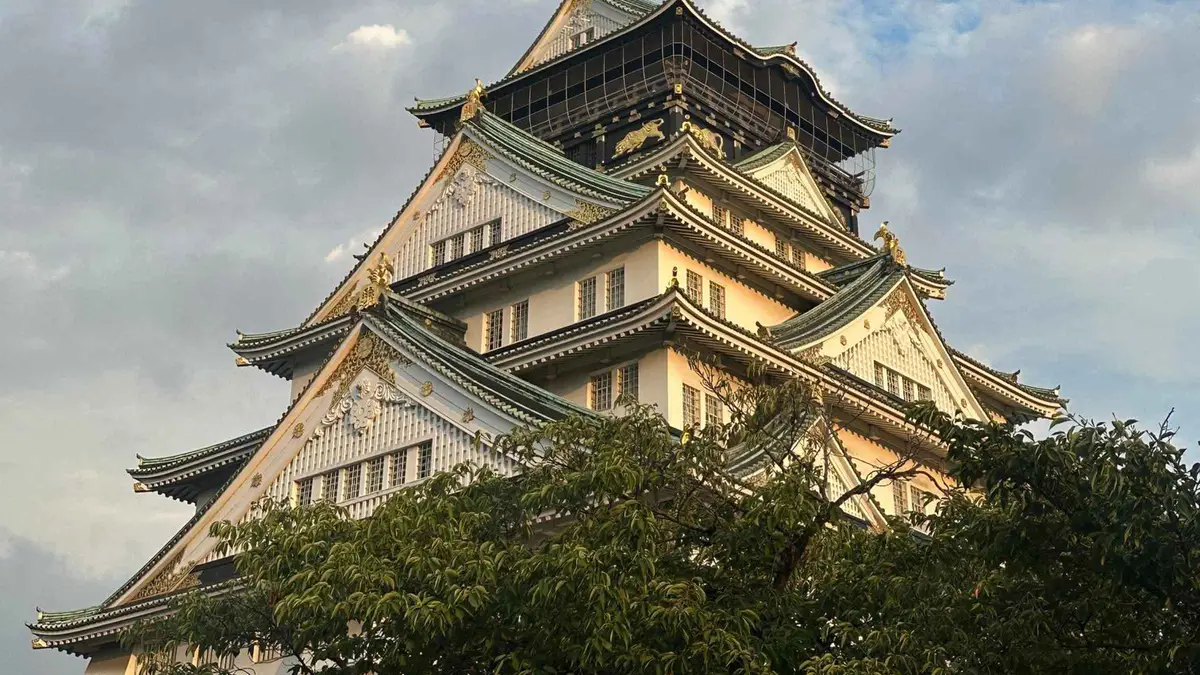 from $49.74
Osaka: Essential City Loop Tour with Local Guide
Five hours in a group of eight covering the castle, the Showa-era backstreets and the neon strip in one loop, with food bought stop by stop instead of a sit-down lunch. Only four people have rated it so far.
Check Availability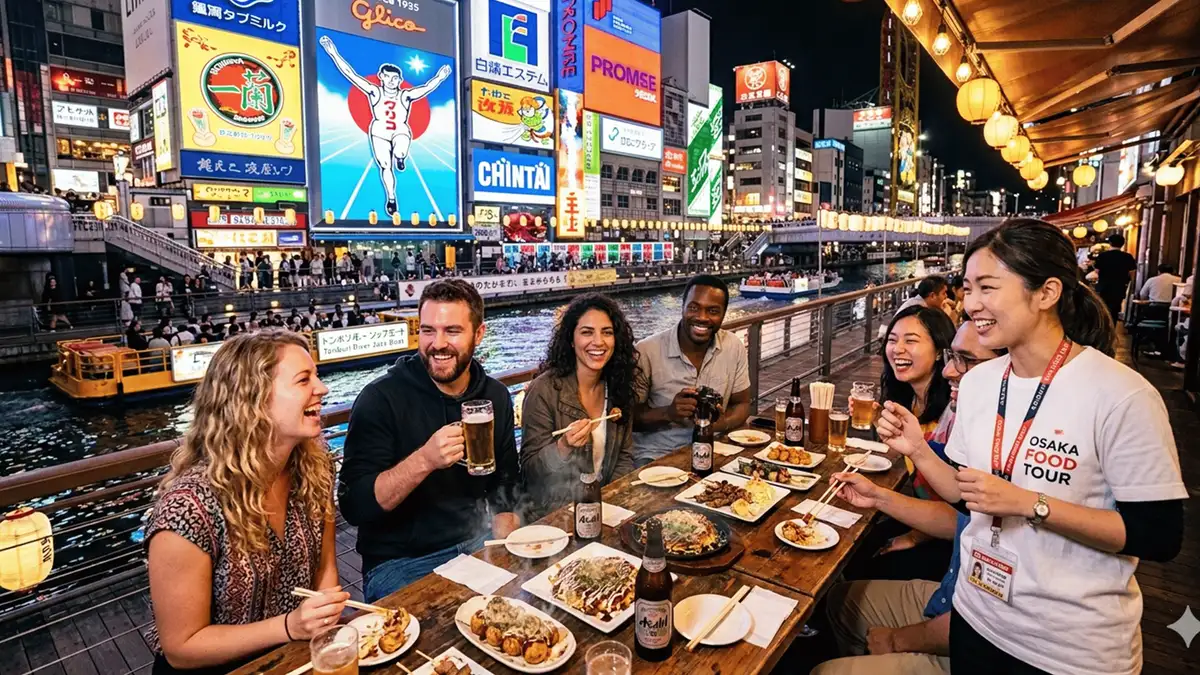 from $51.13
Osaka: Guided Food Tour with 12 Dishes and 2 drinks
Twelve dishes and two drinks in two and a half hours, taking in sake bars locals use and a street stall listed in the Michelin guide. Well rated, and among the cheaper options per dish in this group.
Check AvailabilityPrices, ratings and details are the platform's own. Dollar figures are the listed prices. The platform bills in your account's currency.
Who certifies the longest shopping street in Japan? Nobody
This is the most repeated fact about the street and the least examined, so here is the whole chain of custody.
There is no government body, no industry regulator and no national register of shopping streets in Japan that certifies a longest. We looked for one and found three separate sources making or repeating the claim, none of them a public authority.
The first is the Osaka Convention and Tourism Bureau, which describes the street as 日本一長い商店街 — the longest shopping street in Japan — and gives about 2.6 kilometres and about 800 shops. The bureau is a tourism promotion body, not a certifying one, and it cites nobody for the claim.
The second is the street's own website, tenjin123.com, whose page title asserts the same thing. But that site covers only the 2-chome and 3-chome blocks — two of the seven the bureau's address spans — and it publishes no length figure and no shop count of its own. A two-block association is not in a position to measure seven blocks.
The third is the 日本記録認定協会, the Japanese Records Certification Association, a private register. It lists 天神橋筋商店街 at 2.6 km as the longest arcade shopping street in Japan — and gives no certification date on the page at all, so there is no way to know when the measurement was made or against what.
None of that makes the claim false. The street plainly is very long, and no rival has produced a longer measured figure. It makes the claim unverified, which is a different thing, and worth knowing before you repeat it. Walking all seven blocks of Tenjinbashisuji takes time, so a look at tours in Osaka can help you plan the street into the rest of a day.
And the figures do not agree either
Two lengths circulate. The bureau and the private register both say about 2.6 km. A widely watched documentary walk of the street, streamed six years ago, titles it 2.8 km. Michelin, in its own restaurant entry for an udon house beside it, calls it Kansai's longest shopping street rather than Japan's.
So depending on which source you read, this is a 2.6 or 2.8 kilometre street that is either the longest in Japan or the longest in Kansai, certified by a private register on an unknown date. That is the actual state of the record, and every page that gives you one confident sentence about it has simply picked a source and not told you which.
Every version of the claim, and who makes it
Five sources, five slightly different assertions about the same street, each with the date we read it. Assembled from the sources' own pages.
| Source | What it claims | Figures given | Date attached |
|---|---|---|---|
| Osaka Convention and Tourism Bureau | The longest shopping street in Japan | About 2.6 km, about 800 shops | None — no certification is cited |
| The street's own site, tenjin123.com | Japan's longest shopping street, in its page title | None — no length, no shop count | None; the site covers only 2-chome and 3-chome |
| Japanese Records Certification Association (private) | Longest arcade shopping street in Japan | 2.6 km | No certification date on the page |
| MICHELIN Guide Kyoto Osaka 2026 | Kansai's longest shopping street | None | 2026 edition |
| A widely watched documentary walk | Osaka's longest shopping street | 2.8 km | Streamed six years ago |
For comparison, the covered arcade in Minami — Shinsaibashi-suji, the street most visitors mean when they say Osaka shopping — is about 580 metres on the same bureau's figures, and is famous for its footfall rather than its length: roughly 60,000 people on a weekday and 120,000 at a weekend. This street is about four and a half times as long and publishes no footfall count at all.
Why a street this long exists here at all
It was not planned as a shopping street; it was the road to a shrine.
The bureau's account is short and it explains the shape of the place: the street grew as the monzen-machi — the gate-town — of Osaka Tenmangu during the Edo period, and took its present shopping-street form in the Meiji era. A shrine approach is by definition long and straight, because it exists to carry people to a gate, and the trades that settle along one are the everyday sort rather than the luxury sort. That is still the character of it 150 years later.
Osaka Tenmangu sits at the southern end, near Minamimorimachi. Its Tenjin Matsuri — one of the largest festivals in Japan — falls on Friday 24 and Saturday 25 July in 2026 according to the shrine's own notice, with the Yoimiya rites and the hoko-nagashi ceremony on the Friday. If you are in Osaka on those two days, the southern blocks of this street are not a shopping errand, they are the approach to a festival, and the events calendar has the full programme.
The rest of the year, the shrine end is the busiest and the street thins as it runs north through 4, 5, 6 and 7 chome towards Tenjinbashisuji-rokuchome. That gradient is the single most useful thing to know before you start walking: the further north you go, the more local it gets and the fewer visitors you will see.
Walking 2.6 kilometres: the arithmetic and the exits
Four stations touch the street, so nobody has to walk all of it.
At an ordinary walking pace of about 4.5 km/h, 2.6 kilometres takes roughly 35 minutes without a single stop. That is our arithmetic on the bureau's published length, not a figure anybody publishes — and in practice nobody does it without stopping, so allow two hours if you intend to look at anything or eat.
The reason the street is manageable is that it is threaded onto a subway line. The Osaka Metro Sakaisuji Line runs almost underneath it, with Minamimorimachi at the southern end, Ogimachi in the middle and Tenjinbashisuji-rokuchome at the north; the JR Osaka Loop Line adds Temma about two thirds of the way up. So you can walk a third of it, get on a train, and come back another day for the rest — which is what most people actually do.
Our suggestion, if you only want one section: start at Minamimorimachi, look at the shrine, and walk north as far as Temma. That gives you the busiest and most photogenic stretch, the shrine, and an easy exit onto the Loop Line, in about forty minutes of walking.
| Station | Line | Where it puts you | Walk to the next |
|---|---|---|---|
| Minamimorimachi | Osaka Metro Sakaisuji and Tanimachi | The southern end, by Osaka Tenmangu | About 15 minutes north to Ogimachi |
| Ogimachi | Osaka Metro Sakaisuji | The middle blocks, near the udon house Michelin lists | About 10 minutes to Temma |
| Temma | JR Osaka Loop Line | About two thirds of the way north | About 10 minutes to the north end |
| Tenjinbashisuji-rokuchome | Osaka Metro Sakaisuji and Tanimachi, Hankyu | The northern end, at 6 chome | End of the walk |
Fares are by zone on Osaka Metro — $1.19 up to 3 km, then $1.50, $1.82, $2.13 and $2.45 (¥190 · ¥240 · ¥290 · ¥340 · ¥390) — so hopping one or two stops along the street costs ¥190 each time. Three or more rides in a day and the Enjoy Eco Card wins at ¥820 on a weekday or ¥620 at weekends and public holidays, covering all Metro and Osaka City Bus lines for one calendar day. The getting-around page has the passes in full, and the Amazing Pass is the one that bundles entries — of no use on this street, where nothing charges any.
Eating on the street, and the one address that is on a list
This is a local shotengai, so the eating is cheap, unglamorous and mostly undocumented — with one exception.
This site names a venue only where a citable list stands behind it, which for Osaka means the MICHELIN Guide Kyoto Osaka 2026 and its Bib Gourmand selection. Two of that selection's addresses sit in these blocks or beside them: Ogimachi Udonya Asuro, an udon house at 3-8-3 Tenjimbashi in Kita-ku, in the ¥ price band and tagged Worth Queueing For — Michelin's own entry describes it as being close to Tenjinbashi-suji, Kansai's longest shopping street — and Naniwa Okina, a soba house at 4-1-18 Nishitemma in the same ward, also in the ¥ band.
Michelin publishes no opening hours and no closed day for either of them, so both are listed here as not stated on those two points. If you are making a special trip, check the venue's own site first.
Everything else along the street is the ordinary trade of a working shotengai: standing bars, coffee houses that have not been refitted since the 1970s, kushikatsu counters, tea and pickle shops, and a run of cheap lunch sets. That is the appeal. It is also why no guide can hand you a list — nobody publishes one, and the shops that are worth stopping at are the ones with a queue of locals outside at 12:30.
Hours, closed days and the one rule with a fine attached
The two questions people search for have the same answer, which is that nobody publishes one.
Opening hours: the bureau's exact wording is that business hours vary by shop, and closed days vary by shop. The street's own two-block site publishes neither. So there is no arcade-wide opening time to give you, and any source that supplies one has generalised from a handful of shopfronts. The street itself, being a public road, never closes.
What is enforced is the smoking ban. Osaka City extended it to the entire municipality from Monday 27 January 2025 — roads, squares, parks and other public places the city manages — with heated tobacco covered as well as lit cigarettes and a $6.27 (¥1,000) non-criminal fine. A covered shopping street is precisely the sort of public place the ordinance names.
Eating while walking is not regulated here. No Osaka district publishes a rule against it, which we checked across five districts. The practical convention on a working street like this one is simply to eat at or in front of the shop that sold it to you, and to use that shop's bin.
- No street-wide hours and no street-wide closed day are published by anybody
- Street smoking: ¥1,000 fine, city-wide, since 27 January 2025, heated tobacco included
- Eating while walking: no published rule, here or in any other Osaka district
- Cash is still faster than a card in most of the older shops along the northern blocks
- The street is covered for most of its length, which makes it a genuine wet-weather plan
Tenjinbashisuji map: the line, the four stations and the shrine
The street runs almost due north from the shrine; the pins mark its southern end, two mid-points, the north end and the shrine itself. Street coordinates from OpenStreetMap, which maps the arcade as one way per chome.
Pins are published coordinates — OpenStreetMap for the street and the shrine, the operators for the stations — not our own survey.
Next stop from the street
The street runs through Kita-ku, so everything nearby is north of the rivers. Walk times are our estimates from the mapped distances.
Osaka Tenmangu and the shrine circuit
The shrine the street was built to serve, and the host of Tenjin Matsuri on 24 and 25 July 2026. The temples and shrines hub sets out which of Osaka's publish an admission fee and which — like Sumiyoshi Taisha — publish none at all.
2 minutes from the southern endThe museum at the north end
The Osaka Museum of Housing and Living sits at the top of the street — and it is temporarily closed from 1 September 2026 to 5 January 2027, per the Amazing Pass's own facility table. Worth knowing before you walk 2.6 kilometres to reach it; the museums hub lists what is open instead.
At Tenjinbashisuji-rokuchomeNakanoshima
The island between the Dojima and Tosabori rivers — about 3 km long and 50 hectares, per the tourism bureau — and the city's museum quarter. The natural continuation south when you have finished walking north.
About 12 minutes south from MinamimorimachiUmeda
The northern hub: stations, department stores and the open-air observatory at ¥2,000 with a 22:00 last admission. A short hop from the street's southern half and the obvious place to end the day.
About 15 minutes west, or one stop and a changeTenjinbashisuji questions
Is Tenjinbashisuji worth visiting?
Yes if you want the working, un-touristed version of Osaka shopping — cheap lunches, standing bars, unrefitted coffee houses and about 800 shops over 2.6 kilometres, with almost no souvenir trade. No if you are after fashion or department stores, which are in Minami. Walk the southern third from the shrine to Temma and you will have seen the character of it in forty minutes.
What is the longest shopping street in Japan?
This one, by common agreement rather than by certification. No public authority certifies a longest shopping street in Japan. The Osaka tourism bureau repeats the claim and gives about 2.6 km; the street's own site asserts it while covering only two of seven blocks; and a private register, the Japanese Records Certification Association, lists it at 2.6 km with no certification date. The full provenance table sets out all five versions.
How long is Tenjinbashisuji, and how many shops does it have?
About 2.6 kilometres and about 800 shops, per the Osaka Convention and Tourism Bureau, running through Tenjinbashi 1 to 7 chome in Kita-ku. A widely watched documentary walk gives 2.8 km instead. Neither figure comes with a measurement date, so this guide quotes the bureau's and says where it came from.
How long does it take to walk Tenjinbashisuji?
About 35 minutes end to end without stopping — our arithmetic on the bureau's 2.6 km at an ordinary walking pace, not a published figure. Allow two hours if you plan to eat and look. Four stations touch the street, so you can walk a third of it and take a train back.
What are Tenjinbashisuji's opening hours?
None are published. The tourism bureau's wording is that business hours vary by shop and closed days vary by shop, and the street's own site gives neither. The street itself is a public road and never closes. Any single time you see quoted for the arcade has been generalised from a few shopfronts.
Where does Tenjinbashisuji start and end?
The bureau's address is Tenjinbashi 1 to 7 chome, Kita-ku, so it runs from near Osaka Tenmangu at the south to Tenjinbashisuji-rokuchome at the north. The southern end is the busiest; the further north you walk the more local it becomes. Minamimorimachi, Ogimachi and Tenjinbashisuji-rokuchome are on the Sakaisuji Line, with Temma on the JR Loop Line about two thirds of the way up.
Where should I eat on Tenjinbashisuji?
The one address on a citable list is Ogimachi Udonya Asuro, an udon house at 3-8-3 Tenjimbashi in Kita-ku, in the MICHELIN 2026 Bib Gourmand selection in the ¥ band and tagged Worth Queueing For; Naniwa Okina, a soba house at 4-1-18 Nishitemma, is in the same selection. Michelin publishes no hours and no closed day for either. Beyond those two, follow the queue of local office workers at about 12:30 — nobody publishes a list of the rest.
Where this street fits in an Osaka day
It belongs to a Kita morning, not to a Minami evening.
The efficient use of it is a morning: shrine at about 10:00, walk north with a stop for udon, out at Temma or the north end by lunchtime, then south to the island museums or west to the stations. That is a half-day that costs a couple of ¥190 metro rides and whatever you eat.
It is also the answer to a specific question — what to do in Osaka on a rainy morning that is not a museum. Osaka's wet months are June to September, at 193, 197, 126 and 169 mm on the ERA5 1995 to 2024 normals, and this is 2.6 kilometres of roof with lunch under it. The rainy-day page uses it exactly that way, and the three-day itinerary puts it on the morning that also takes in the island.
What it is not is an evening. Most of the shops shut in the early evening and the street empties from north to south, which is when Minami is switching on. Do this first and the neon after.
Tenjinbashisuji on film: the whole length, walked
Three films, each id checked against YouTube's own record and its thumbnail. One walks the street with the practical detail, one is the documentary whose title gives the disputed 2.8 km, and one is a recent end-to-end walk.
What Is Japan's Longest Shopping Street Like?, Osaka Travel Tips
A straightforward walk of the street with the practical detail a first visit needs.
Video: Mr.TravelOsaka’s Longest Shopping Street 2.8km Marathon | Tenjinbashisuji
The end-to-end documentary walk — and the source of the 2.8 km figure that competes with the bureau's 2.6.
Video: ONLY in JAPAN * GO4K Osaka Walk 🇯🇵 Japan's Longest Shopping Street! Tenjimbashi-suji Walking Tour 2026
A recent full walk of the arcade, filmed this year, shopfront by shopfront.
Video: 4K Walking TravelVideos load from YouTube only when you press play.
Prices, hours and terms are set by the venue or operator and confirmed at checkout.
We may earn a commission if you book through one of our links, at no extra cost to you. Full affiliate disclosure